















You Have Less Than 3 Minutes
A collision happens. Adrenaline floods your system. The other driver steps out, exchanges a few words, and under UK law, they can leave the scene within minutes once details are swapped. That narrow window, roughly two to three minutes, is when your evidence is most vulnerable. It can be disputed, overwritten on a looping SD card, or simply trapped inside a camera you cannot access quickly enough.
Here is the problem: on a 2.4GHz WiFi connection, transferring a single 60-second 4K clip to your phone can take eight minutes or more. By then, the other driver is gone. A 2025 case illustrates the stakes: a fraudulent £74,000 personal injury claim collapsed because dash cam footage proved the claimant was not even in his vehicle at the time of impact. But what if that footage had not been accessible in time?
This article explains why WiFi 6 transfer speed is a genuine safety feature, not just another number on a spec sheet.
Why Transfer Speed Is a Safety Feature, Not a Spec
Most drivers treat WiFi on a dash cam as a convenience. Open an app, browse some clips, download one later at home. That assumption is wrong. WiFi on a dash cam is a time-critical evidence tool, and the speed of that connection determines whether you walk away from an incident with proof on your phone or with nothing at all.
The numbers make this concrete. At 2.4GHz, typical dash cam transfer speeds sit around 2 to 4 Mb/s. A 60-second 4K clip at that rate can take eight minutes or longer to reach your smartphone. That is an eternity at the roadside.
WiFi 6, operating at 5.8GHz, changes the equation entirely. The same clip transfers in under 60 seconds. On optimised WiFi 6 hardware, it can arrive in as little as 10 seconds. That is the difference between having footage on your phone before the other driver pulls away and watching them disappear while a progress bar crawls across your screen.
UK law does not require the other driver to wait indefinitely. Once details are exchanged, they can leave. If your footage is still mid-transfer at that point, you lose the ability to share it on the spot, show it to a witness, or send it to your insurer while the details are fresh. Transfer speed is not a spec. It is a safeguard.
WiFi 6 vs WiFi 5 vs 2.4GHz: What the Numbers Actually Mean
WiFi 6 carries the technical label 802.11ax. Its theoretical maximum throughput is 9.6 Gbps, nearly three times the 3.5 Gbps ceiling of WiFi 5 (802.11ac). In real-world, single-device use, that translates to gains of 30 to 50% over WiFi 5. Those gains matter most when you are standing at the roadside needing footage now.
One important distinction that is rarely explained clearly: not all 5GHz dash cams are WiFi 6. Older 5.8GHz models may transfer at roughly 8 MB/s. True WiFi 6 hardware pushes 20 to 30 MB/s. That is the difference between a 20-second wait and a sub-10-second one for a single 4K clip.
WiFi 6 also introduces a technology called OFDMA (Orthogonal Frequency Division Multiple Access), which enables smarter data scheduling. It reduces latency from the 40 to 120 ms range typical of older standards down to 8 to 20 ms. Fewer dropped packets means fewer failed transfers when you can least afford them.
Then there is Target Wake Time (TWT). This feature reduces the radio-on time of connected devices by approximately 30%, extending battery life. For dash cams running 24/7 parking mode, where power management is critical, this is a meaningful advantage.
If you are wondering whether your older phone will work: WiFi 6 is fully backwards compatible with WiFi 5 and WiFi 4 devices. You do not need the latest smartphone to benefit. Your dash cam will simply connect at the best speed your phone supports.
A simple comparison:
- 2.4GHz: Several minutes for a single 4K clip
- Older 5GHz (WiFi 5): Approximately 20 seconds
- WiFi 6 (5.8GHz, 802.11ax): Under 10 seconds
The Full Post-Incident Workflow: Transfer, Share, Submit
WiFi 6 does not just get footage to your phone faster. It unlocks a complete post-incident workflow that older connections make impractical at the roadside. The process has three steps.
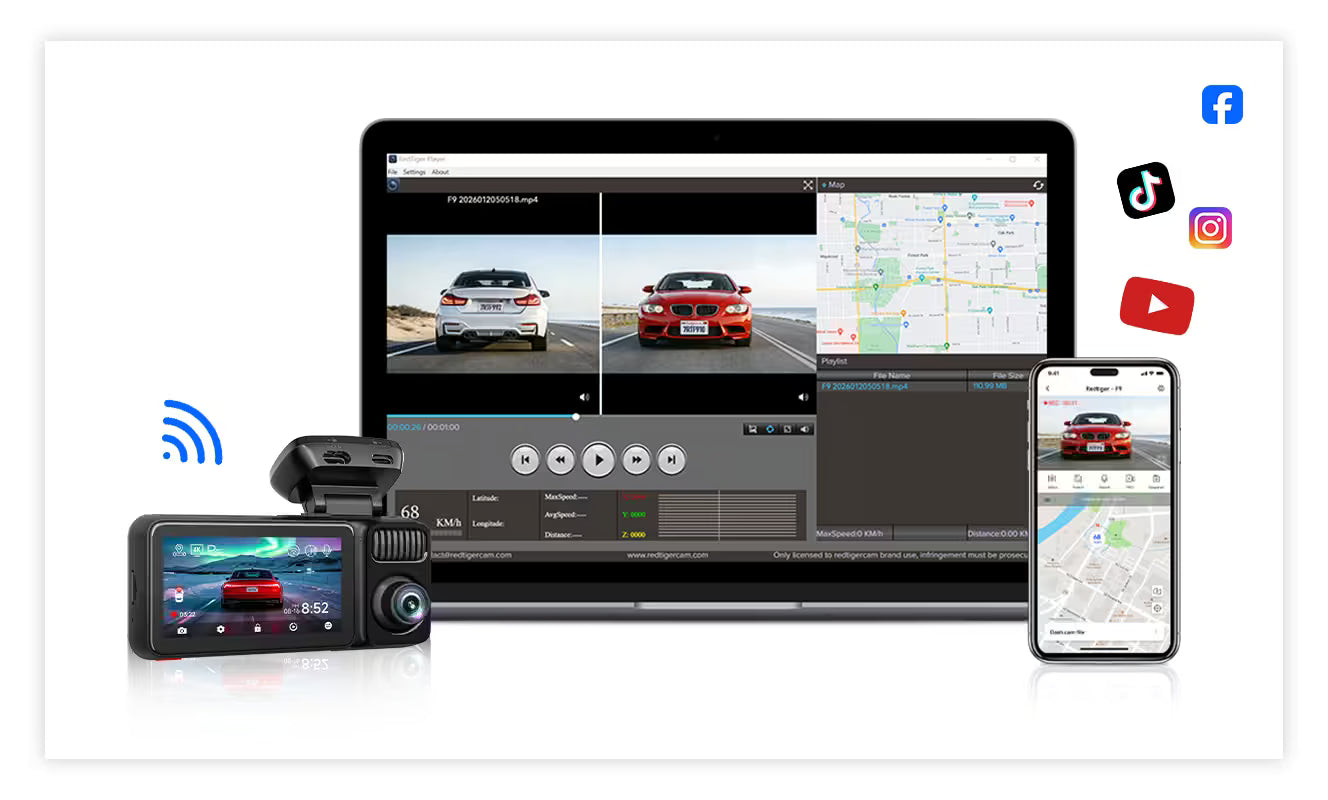
- Transfer footage to your smartphone via the dash cam's companion app. With WiFi 6, a 4K clip arrives in seconds, complete with GPS coordinates, timestamps, and speed data intact.
- Share directly with your insurer. Most modern dash cam apps allow you to email or upload files without re-encoding, preserving the evidential integrity that UK courts and insurers require: authentic, unedited, timestamped footage.
- Upload to the National Dash Cam Safety Portal (NDCSP). This system lets UK motorists submit footage directly to the relevant police force. Roughly 70% of NDCSP submissions result in warning letters, penalty points, awareness courses, or prosecutions.
The NDCSP is seeing rapid growth. Submissions were on track to increase by almost 31% in 2024, with 24,000 recorded by the end of June 2024 alone. Across 26 police authorities, dash cam submissions rose by an average of 77% between 2021 and 2023.
The financial case is equally strong. Claims supported by dash cam footage settle approximately 35% faster than those relying on verbal accounts alone. Drivers with dash cams are around 40% more likely to have claims settled in their favour. Some UK insurers now offer premium discounts of 10 to 15% for dash cam users, recognising the reduced fraud risk and faster resolution that footage provides.
Crash-for-Cash Fraud and the Case for Speed
Crash-for-cash fraud costs the UK economy between £400 million and £1.5 billion every year, according to 2025 data from the Association of British Insurers and the Insurance Fraud Bureau. An estimated 1 in 5 UK drivers will be targeted by, or witness, a suspected staged accident. This is not a fringe problem. It is an epidemic.
Staged accidents follow a pattern. A vehicle brakes suddenly and deliberately in front of you. The impact is minor, but the subsequent personal injury claims are anything but. Fraudsters rely on one thing above all else: the absence of immediate, shareable evidence. The window before footage is transferred off the dash cam is their opportunity.
The £74,000 fraud case from 2025 is instructive. Dash cam footage proved the claimant was not in his vehicle at the time of impact, and the claim collapsed. WiFi 6 speed connects directly to fraud defeat: footage shared on-scene, before the fraudster leaves, eliminates the gap that these claims exploit.
The hidden cost hits every honest driver. Fraud adds an estimated £50 to £90 to every UK motor insurance policy annually. Faster evidence transfer does not just protect you individually. It helps close the window that makes these schemes profitable in the first place.
Multi-Camera Systems and Why WiFi 6 Bandwidth Matters More
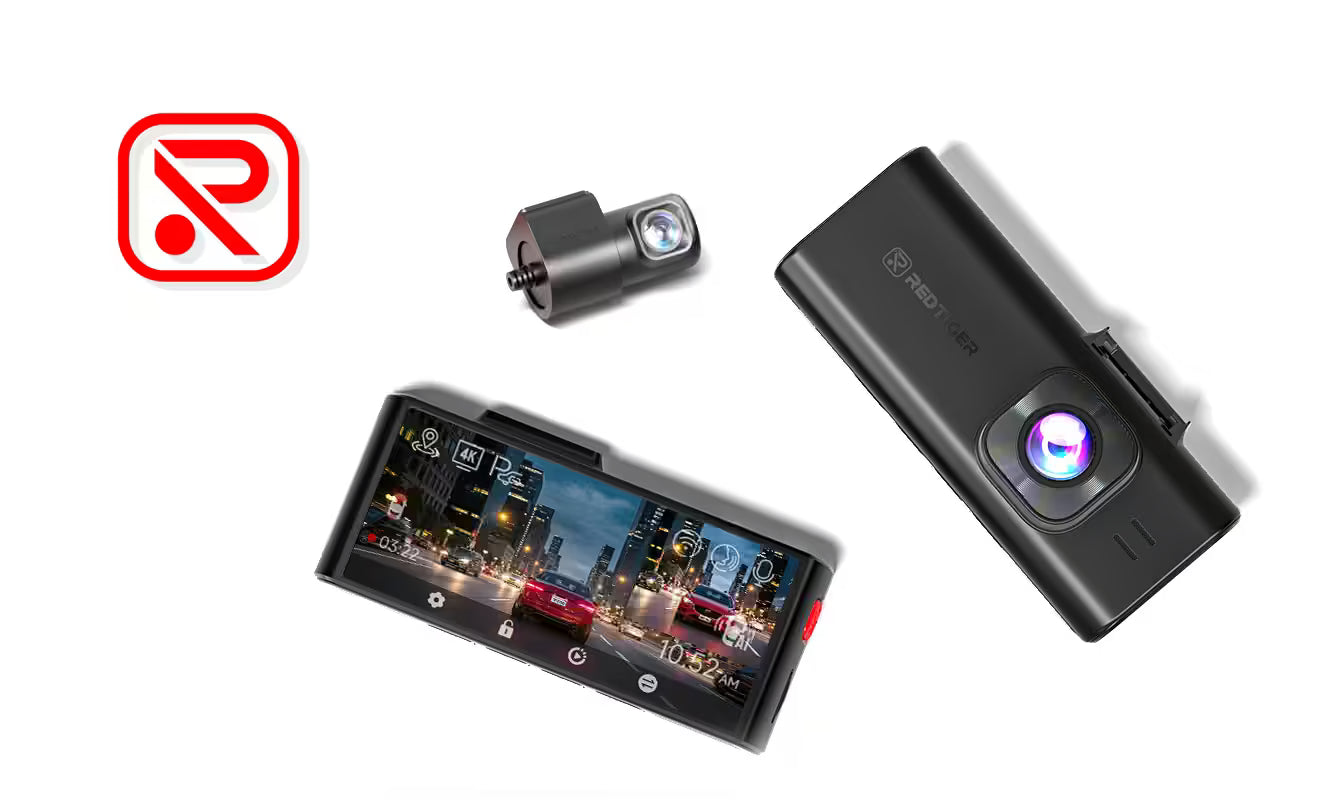
Modern dash cam setups do not stop at a single front-facing lens. Three- and four-channel systems record from front, rear, interior, and side cameras simultaneously, generating multiple 4K streams. The data volume multiplies fast.
On a WiFi 5 or 2.4GHz connection, transferring footage from all channels becomes a bottleneck. What takes seconds for a single clip can stretch into minutes when you need footage from three or four cameras at once.
WiFi 6's higher throughput and OFDMA scheduling handle concurrent streams without transfer times multiplying proportionally. For taxi drivers, rideshare operators, and fleet managers, this is a critical advantage. Interior footage may be just as important as the external view, and waiting ten minutes to access it is not practical.
There is a parking mode benefit too. WiFi 6 lets you open the app and remotely review overnight parking incident footage quickly before you drive away, without removing an SD card. It is the total footage volume from all channels that matters, not just a single clip.
What to Look for in a WiFi 6 Dash Cam
When shopping, confirm that the dash cam carries true WiFi 6 (802.11ax) certification. "5GHz WiFi" on its own does not guarantee WiFi 6 speeds. The distinction determines your real-world transfer rate.
Look for a companion app that preserves GPS metadata, timestamps, and speed data during transfer. These are the elements UK courts and insurers scrutinise most closely. The app should also support direct sharing to email, cloud storage, or insurer portals without re-encoding the file, which could compromise evidential integrity.
Resolution matters too. A 4K sensor paired with quality night vision, such as Sony STARVIS 2 technology, ensures footage is clear enough to serve as evidence even in low-light conditions. For taxi, rideshare, or family use, prioritise systems with multi-channel support and sufficient WiFi 6 bandwidth to handle all camera streams.
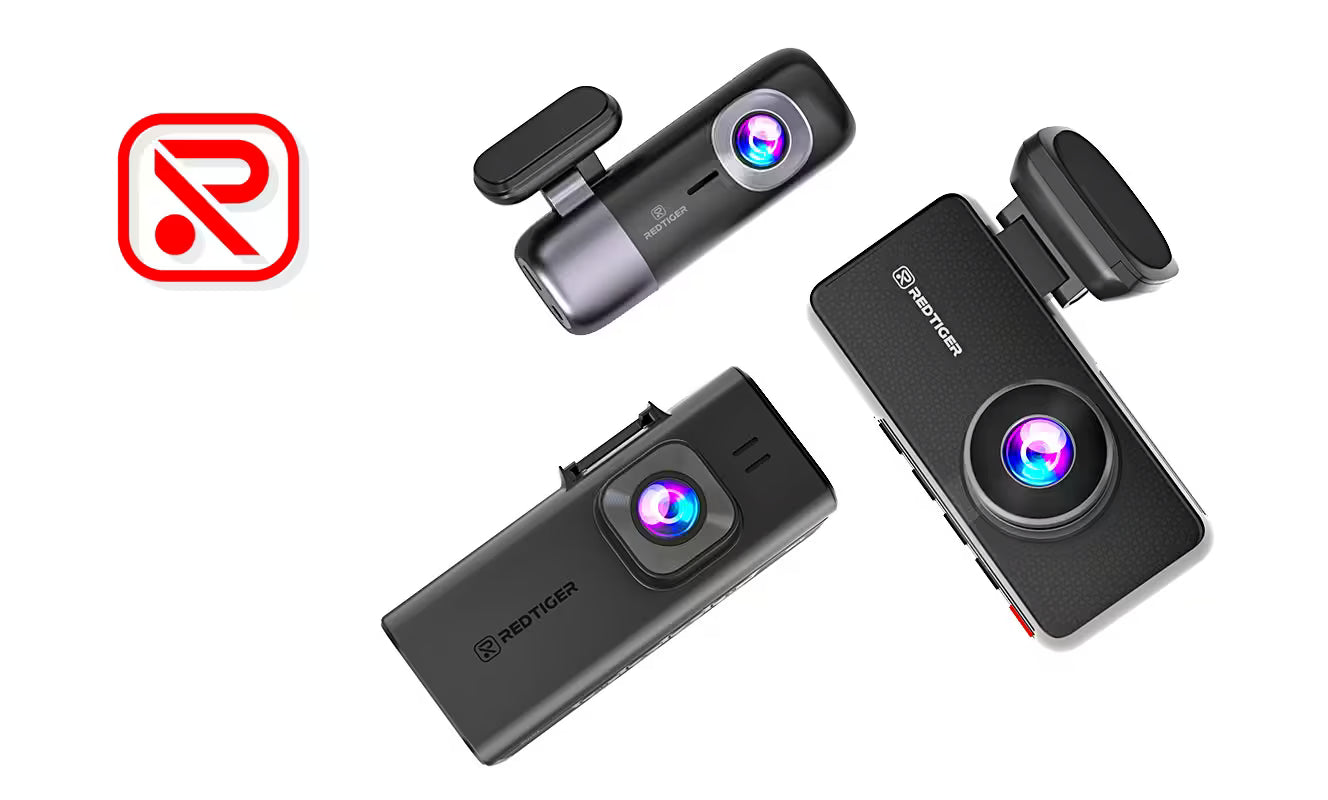
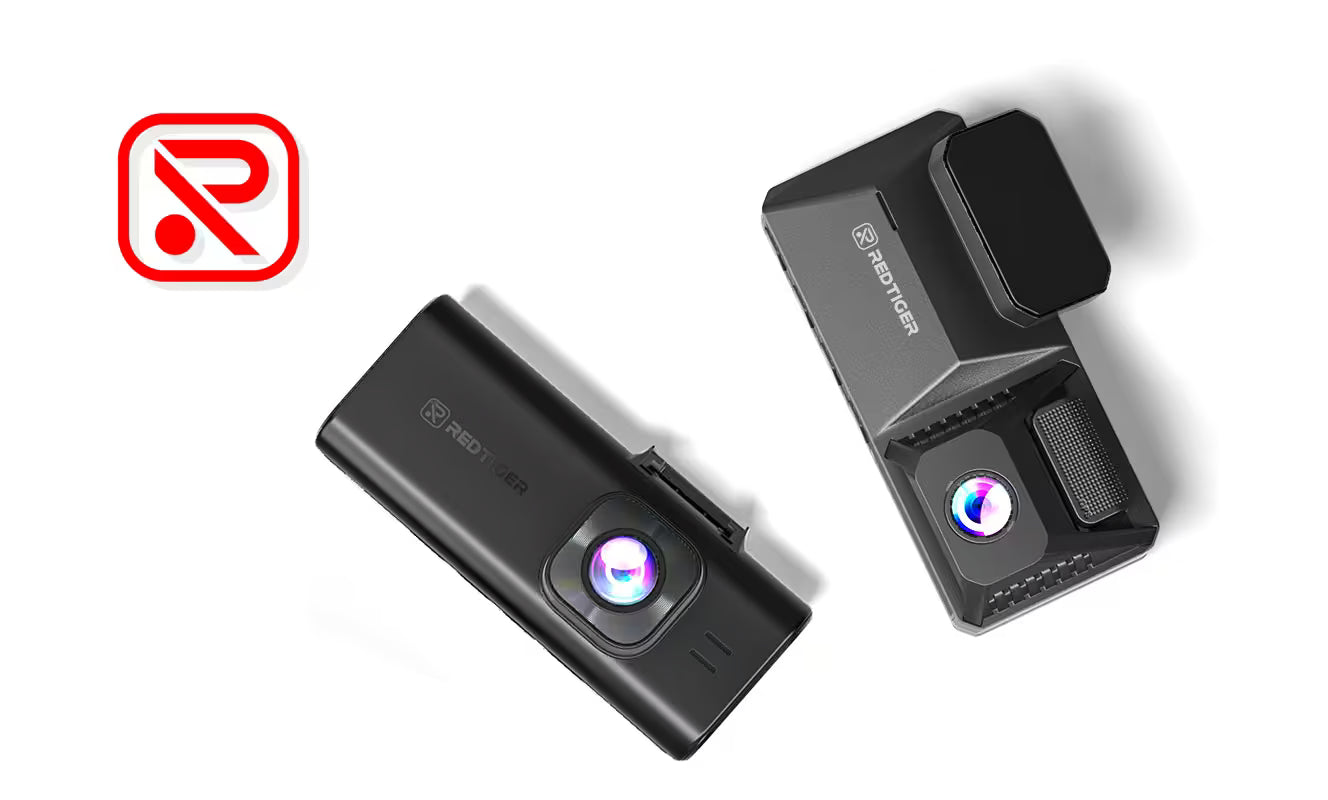
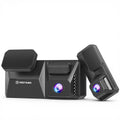
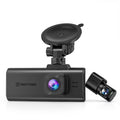
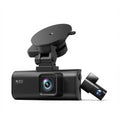
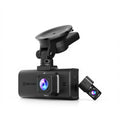
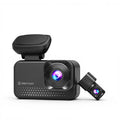
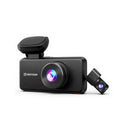
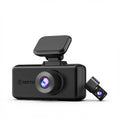
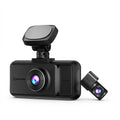
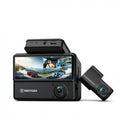
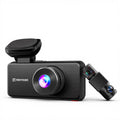
Redtiger UK's dash cam range features built-in WiFi 6 at 5.8GHz alongside 4K recording, Sony STARVIS 2 sensors, and a dedicated smartphone app. Recognised as the Amazon UK #1 Best-Selling dash cam brand and trusted by over 1.7 million drivers across 74 countries, with innovations recognised at CES 2026 and by Security Today in 2025, and top ratings from TechRadar, Autoblog, and Pocket-lint, it represents the standard drivers should expect from a modern WiFi 6 dash cam.
Fast Transfer Is Your First Line of Defence
WiFi 6 transfer speed is not a luxury upgrade. It is the mechanism that makes dash cam footage usable as evidence in the critical minutes after an incident. Without it, your camera records. With it, your camera protects.
The other driver can leave. Memories fade within hours. Disputed accounts begin the moment two versions of events exist. Footage on your phone, transferred in seconds, changes all of that.
The stakes are real. UK courts require unedited, timestamped files. Insurers settle faster with footage. Fraud costs every honest driver money. Choosing a WiFi 6 dash cam means choosing to be protected before an incident happens, not scrambling to recover evidence after.
Explore Redtiger UK's WiFi 6 dash cam range and join over 1.7 million drivers across 74 countries who already drive with that confidence.

Leave a comment
This site is protected by hCaptcha and the hCaptcha Privacy Policy and Terms of Service apply.