

















Editorial note: This article reflects UK law as of August 2026. Data protection law is a complex and evolving area. If you need advice specific to your circumstances, we recommend consulting a qualified solicitor.
Is Your Dash Cam Recording More Than You Think?
The ICO's vehicle surveillance guidance is unambiguous: audio recording on dash cams should be "switched off by default." Yet most drivers have no idea their camera's microphone is active from the moment they power it on.
UK law treats audio recording as significantly more intrusive than video alone. With an estimated 2.8 to 3.4 million dash cam units sold across the UK in 2026, millions of drivers are potentially capturing conversations without understanding the legal implications.
The picture is shifting, too. The Data (Use and Access) Act 2025 received Royal Assent in June 2025 and is already reshaping data protection rules. The ICO's existing dash cam guidance is currently under active review. This article gives you plain-English clarity on what the law actually requires, covering private motorists, daily commuters, taxi drivers, and parents on the school run.
Audio vs. Video: Why the Law Draws a Sharp Line
Any dash cam footage that captures identifiable faces, number plates, or location data qualifies as personal data under UK GDPR and the Data Protection Act 2018. That much is well understood. Audio recording, however, occupies a separate, higher-intrusion category in the eyes of the law.
The distinction is practical. A forward-facing dash cam recording the road ahead captures a relatively narrow set of personal data: passing vehicles, pedestrians, and road conditions. An active microphone inside the cabin captures identifiable voices, the content of private conversations, and contextual details about a journey. The data footprint is far larger.
Put simply: video gives you road evidence; audio gives you personal conversation. The law reflects that difference.
Anyone whose dash cam captures identifiable personal data becomes a "data controller" under UK GDPR. That term carries specific legal responsibilities, including how data is stored, who can access it, and how long it is kept. Those obligations multiply when audio is involved, because the sensitivity of the data increases substantially.
This is why the ICO draws a firm line between video-only recording and audio-enabled recording. Understanding that distinction is the foundation for everything that follows.
The One-Party Consent Myth: What RIPA Actually Covers
One of the most persistent misconceptions among UK drivers is that the Regulation of Investigatory Powers Act 2000 (RIPA) makes dash cam audio recording automatically lawful. The reasoning usually goes like this: "RIPA allows one-party consent, I'm one of the parties, so I can record."
This is a misreading of the law. RIPA governs the electronic interception of communications, such as phone calls and messages. It was not designed to cover in-person audio recording via a physical device like a dash cam microphone. That type of recording falls under UK GDPR and the common law tort of misuse of private information.
Recording a conversation you are part of is one legal question. What you do with that recorded data afterwards is governed by an entirely separate body of law, primarily UK GDPR and the Data Protection Act 2018.
A note for Scottish drivers: Scotland operates under the Regulation of Investigatory Powers (Scotland) Act 2000 (RIP(S)A), not RIPA. Scottish courts may take a different view on the admissibility of covert recordings. If you drive primarily in Scotland, it is worth seeking specific legal advice on this point.
Private Drivers: The Domestic Exemption and Its Limits
If you use a dash cam purely for personal, domestic purposes, UK GDPR Article 2(2)(c) provides a "domestic purposes" exemption. In practice, private drivers do not need to register with the ICO or comply with the full range of data controller obligations.
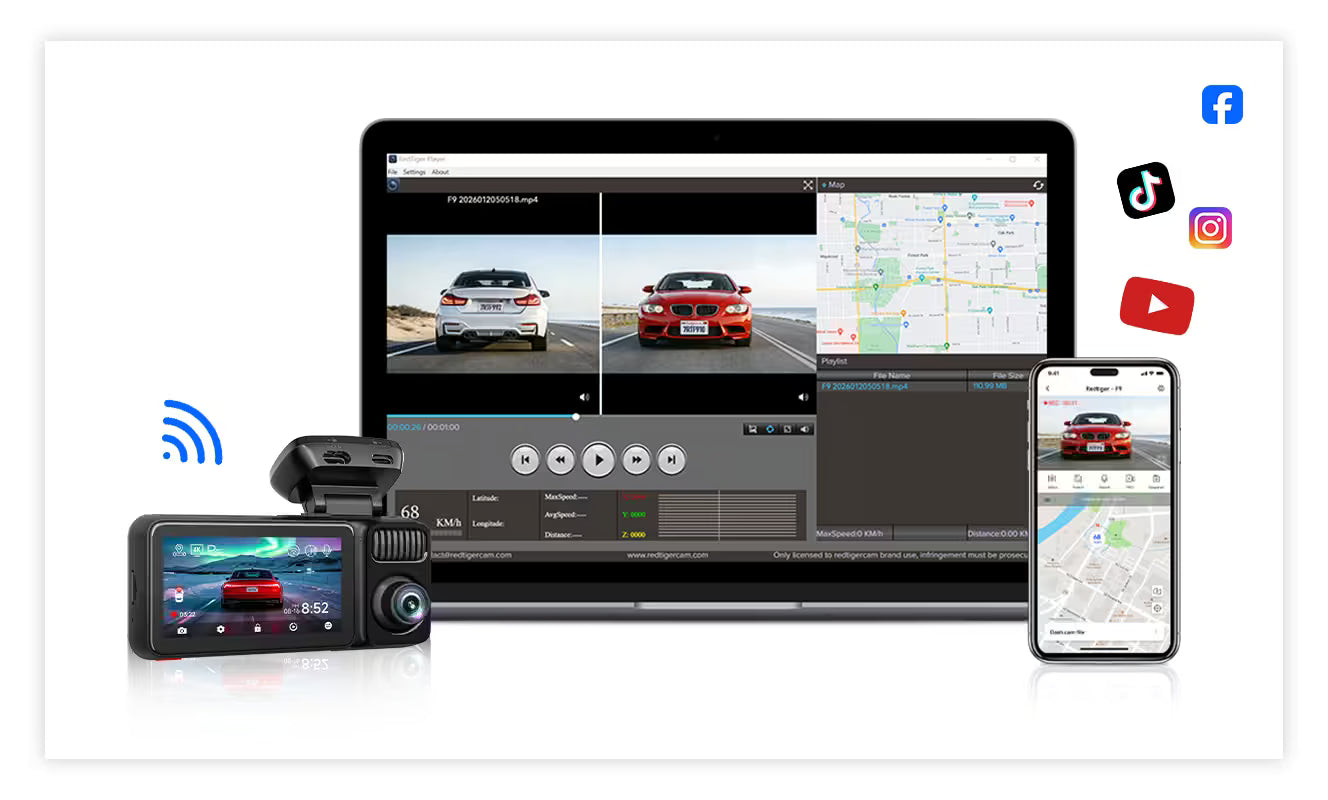
But this exemption has a hard boundary. The moment you share footage publicly, the protection disappears. Posting a clip to YouTube, TikTok, or Facebook that contains identifiable data removes the domestic exemption entirely.
The legal position for private drivers is not fully settled, either. A CJEU ruling has suggested that filming public spaces can itself challenge the domestic exemption, since the original provision was written with household CCTV in mind, not cameras mounted on vehicles moving through public roads.
There is a further practical consideration. If you carry passengers, whether carpooling colleagues or family members, and your dash cam's microphone is active, you are processing third-party personal data. The safest default for private drivers is to disable audio recording unless you have a specific, documented reason to enable it.
Commercial Drivers: A Stricter Set of Rules
Taxi drivers, rideshare drivers, driving instructors, and fleet operators lose the domestic exemption the moment their vehicle is used for work. From that point, they become full data controllers under UK GDPR.
This means registering with the ICO and paying the data protection fee, typically £52 per year for small businesses. Failure to register can result in enforcement action and fines.
The ICO considers continuous, unmitigated in-cab audio recording to be "highly disproportionate" unless an extreme, verified security risk can be documented. Any active microphone must be disclosed in a driver privacy notice displayed visibly in the vehicle.
In sensitive environments, such as care transport or school minibuses, a Data Protection Impact Assessment (DPIA) may be legally required before audio recording begins. This is a formal process that documents the necessity and proportionality of the recording and identifies steps to minimise privacy risks.
If you drive for a living, audio compliance is a legal obligation with real consequences.
The Social Media Trap: Sharing Audio Footage Online
Posting dash cam clips that contain audio to social media without consent from everyone in the conversation can constitute a data protection breach. The ICO has specifically warned against "naming and shaming" other road users online using dash cam footage.
The Telecommunications (Lawful Business Practice) Regulations 2000 add a further restriction on sharing recorded conversations with third parties without consent. Even if the original recording was lawful, sharing it publicly may not be.
Before uploading any clip, blur faces and number plates. If audio is present, ask yourself: are the voices identifiable? Do you have consent from those speakers? If the answer to either question is uncertain, strip the audio before posting.
Anyone captured in your dash cam footage, including their voice, has the right to submit a Subject Access Request (SAR). As the data controller, you must respond within one month and provide a copy of the relevant data.
Parking Mode and Audio: An Overlooked Risk
Dash cams left in parking or sentry mode with audio enabled can inadvertently capture private conversations between pedestrians while you are away from the vehicle. This creates a distinct legal risk: you are not a party to those conversations, which removes any possible "one-party" justification entirely.
This is an almost entirely unaddressed compliance gap. Most drivers never check whether their dash cam's microphone stays active in parking mode.
A practical mitigation is to use impact-triggered or motion-triggered parking mode, which limits recording to relevant events rather than continuous ambient capture. Check your dash cam's settings to confirm whether audio recording remains active in parking mode and disable it if so. The risk of capturing bystanders' private speech is real, and the legal exposure is unnecessary.
What the Data (Use and Access) Act 2025 Changes
The Data (Use and Access) Act 2025 received Royal Assent in June 2025 and is now in force. Among its provisions is a new lawful ground called "recognised legitimate interests" for data processing. This is directly relevant to dash cam operators who cite crime prevention or road safety as their reason for recording.
Crucially, the ICO's existing dash cam guidance is under active review as a result of this Act. The legal landscape is genuinely in flux. Drivers and businesses relying on current ICO interpretations should not assume those interpretations are final.
This is a significant, underreported development. Most consumer-facing dash cam content has not yet addressed it. If you use a dash cam, monitoring ICO updates over the coming months is a practical necessity, not an optional extra.
Practical Steps: How to Stay on the Right Side of the Law
- Check your settings. Open your dash cam's menu and confirm whether audio recording is enabled or disabled. Verify it is genuinely off (not just muted) in both driving and parking modes.
- Private drivers: disable audio by default. Only enable it if you have a specific, documented reason. The ICO's position is clear: audio should be off unless it is necessary.
- Commercial drivers: register with the ICO. If you drive a taxi, work for a rideshare platform, or operate a fleet, you must register, pay the data protection fee, display a privacy notice in the vehicle, and assess whether a DPIA is required.
- Do not post identifiable audio online. Before sharing any dash cam clip, strip or redact audio containing identifiable voices unless you have explicit consent from all parties.
- Respond to Subject Access Requests. If someone asks for a copy of footage that includes them, you have one month to respond. Redact third-party voices where required.
- Monitor ICO guidance updates. The Data (Use and Access) Act 2025 has triggered a review of existing guidance. The rules are actively evolving, and staying informed is part of responsible dash cam use.
Following these steps protects your legal position and respects the privacy of everyone on the road.
Record Smart, Drive Confident
Dash cam audio recording is legal in the UK under the right conditions, but it carries distinct obligations that video-only recording does not. The ICO's default position is audio off, and that remains the safest starting point for most drivers.
The legal landscape is shifting with the Data (Use and Access) Act 2025, and staying informed is now part of responsible ownership. A well-configured dash cam remains one of the most powerful tools for driver protection and road safety. The key is knowing how to use it lawfully.
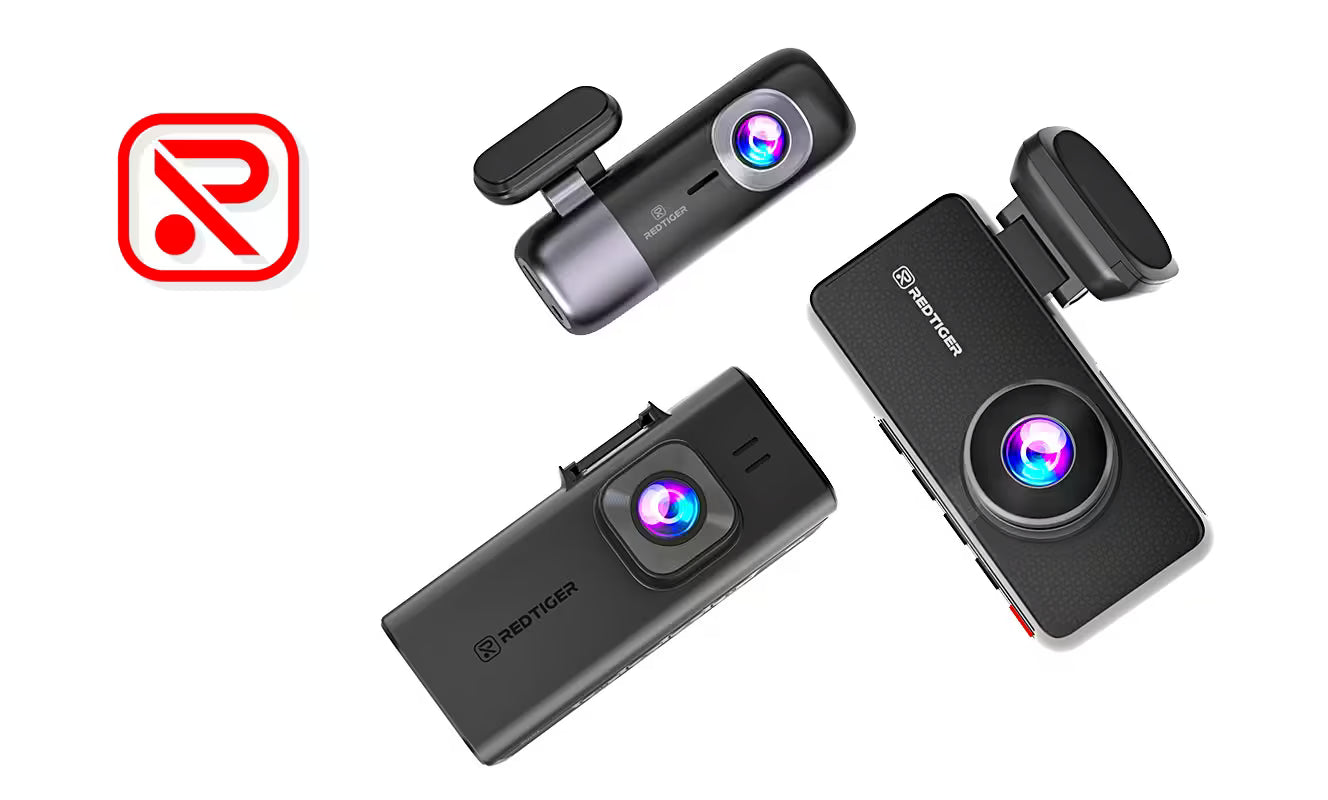
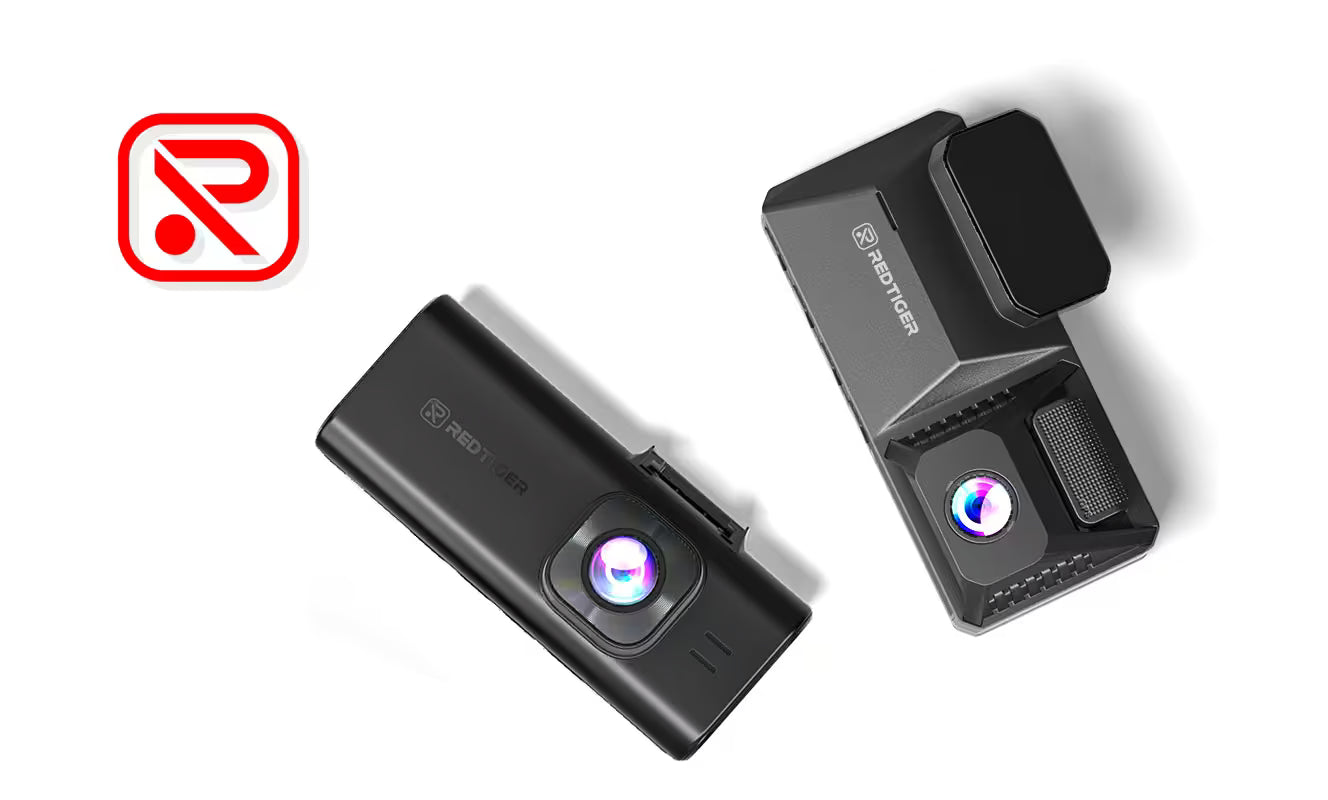
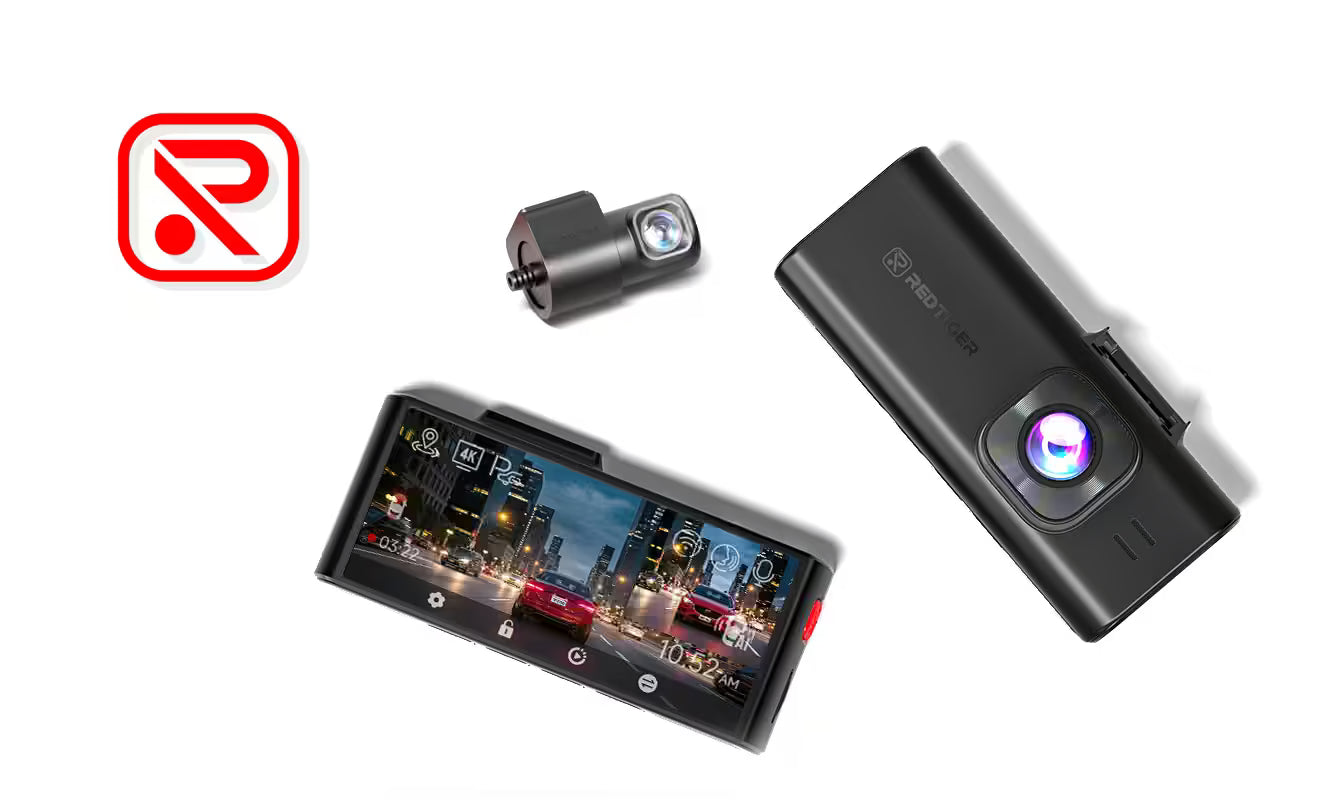
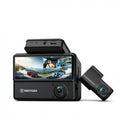
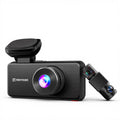
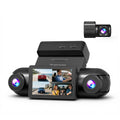
At Redtiger, every dash cam we build gives you full control over audio settings, so you can record exactly what you need and nothing you don't. Configure it right, and your camera works for you, not against you.

Leave a comment
This site is protected by hCaptcha and the hCaptcha Privacy Policy and Terms of Service apply.