



























Your Dash Cam Recorded Everything — But Can Anyone Read the Number Plate?
Picture this: someone rear-ends you on a dark A-road and drives off. You get home, pull the footage, and find a grey smear where the number plate should be. The camera was recording. It just couldn't see.
This scenario plays out constantly across the UK, where insurance fraud costs drivers over £1 billion every year and Department for Transport data shows a car accident occurs roughly every 20 seconds. Footage exists, but it's too dark or too noisy to serve as evidence.
The culprit isn't resolution. It's the image sensor. A 2K dash cam built around Sony STARVIS 2 technology can produce sharper, cleaner night footage than a budget 4K model with an older sensor. This article explains what STARVIS 2 actually is, why it matters for UK drivers, and how to verify your dash cam genuinely has it.
What Is Sony STARVIS 2? The Sensor Technology Behind the Spec Sheet
Sony STARVIS 2 is the second generation of Sony Semiconductor Solutions' back-side illuminated (BSI) CMOS sensor technology. Launched in 2022, it succeeds the original STARVIS lineup that became the standard in dash cams and security cameras from the mid-2010s onward.
The key innovation is architectural. In a standard front-illuminated sensor, incoming light must pass through layers of metal wiring before reaching the photodiode, the part of the chip that converts light into an electrical signal. BSI flips this arrangement: the photodiode sits at the front of the chip, so light hits it directly. The result is dramatically better light capture, especially in dim conditions.
To put the sensor generations in order: standard CMOS sensors came first, followed by STARVIS 1 in the mid-2010s, then STARVIS 2 in 2022. If your dash cam predates 2022, it almost certainly uses an older generation, which explains why night footage from those cameras often looks muddy or unusable.
STARVIS 2 brings three headline improvements over its predecessor. First, higher quantum efficiency, meaning each pixel converts a greater proportion of incoming photons into signal. Second, a wider dynamic range, with Sony's own IMX678 product flyer confirming more than 8 dB of improvement over STARVIS 1 in a single exposure. Third, near-infrared sensitivity boosted by up to 2.5 times, which is critical for cabin cameras and parking mode recording.
Sony rates STARVIS 2 sensors at 2,000 mV or higher in sensitivity. Standard CMOS sensors sit around 700 mV. That's nearly a threefold improvement in the chip's ability to register light. As of 2026, STARVIS 2 is no longer a premium-only feature; it's standard across mid-range and premium dash cams alike.
IMX678 vs IMX675: The Two STARVIS 2 Sensors in Consumer Dash Cams
Two STARVIS 2 sensors dominate the consumer dash cam market. The Sony IMX678 is the flagship: an 8-megapixel, 1/1.8-inch sensor capable of native 4K recording at 3840×2160. Its pixel pitch is 2.0 µm, confirmed in Sony's official IMX678-AAQR product documentation. Larger pixels gather more light, and 2.0 µm is significantly bigger than the sub-1.5 µm pixels found on many high-megapixel budget sensors. That physical difference is why the IMX678 performs so well after dark.
The Sony IMX675 is the secondary STARVIS 2 sensor: 5 megapixels, 1/2.8-inch, designed for 2K resolution. You'll find it in compact cameras and in the rear or interior channels of multi-camera setups.
In terms of low-light thresholds, the IMX678 achieves 0.18 lux at SNR1s and can capture usable footage down to approximately 0.005 lux. To put that in practical terms, 0.005 lux is roughly equivalent to a moonlit road or an unlit car park. Older sensors produce near-black footage at those levels.
One point most buyers overlook: rear camera sensor quality matters just as much as the front. Rear-end collisions are the most common scenario in staged "crash for cash" fraud. If your rear sensor is a basic chip while your front uses STARVIS 2, you have a blind spot exactly where you need evidence most. When comparing dash cams, look for the IMX model number in the product listing. It's the only reliable way to confirm a genuine STARVIS 2 sensor.
The Megapixel Myth: Why 4K on the Box Doesn't Guarantee Good Night Footage
Here's the counterintuitive truth: a 4K dash cam with an older or lesser sensor will produce darker, noisier footage at night than a 2K camera equipped with STARVIS 2. Resolution tells you how many pixels make up the image. The sensor determines how much light each pixel captures. In low light, sensor quality wins every time.
There's also the "fake 4K" problem. A number of budget dash cams upscale footage from a lower native resolution to output a 4K file. The pixel count looks right on the spec sheet, but the actual detail isn't there. The IMX678 is the benchmark for genuine native 4K recording, delivering a 30% improvement in low-light performance compared to the older IMX335 sensor common in earlier dash cam generations.
STARVIS 2 also introduces Clear HDR, a single-exposure HDR method that captures bright and dark elements in one frame. Traditional multi-frame HDR (known as DOL-HDR) stitches together multiple exposures, which creates ghosting and motion blur on fast-moving objects. Consider a vehicle braking suddenly on a dual carriageway at night: multi-frame HDR smears the number plate across exposures, making it unreadable. Clear HDR captures it sharp in a single shot.
The buying rule is simple: when comparing dash cams, prioritise sensor generation and pixel pitch over megapixel count. A spec sheet full of large numbers means nothing if the sensor can't gather enough light to make those pixels useful.
STARVIS 2 and UK Legal Admissibility: When Footage Quality Becomes Evidence
Dash cam footage is admissible in UK courts provided it meets three conditions: it must be unedited, carry accurate timestamps, and clearly show the incident in question. Drivers can submit footage directly to police through the National Dash Cam Safety Portal, which makes clarity a legal requirement, not just a nice-to-have.
This is where sensor quality connects directly to real-world outcomes. STARVIS 1-era cameras from 2019 to 2022 frequently recorded footage that existed on the memory card but wasn't usable. Insurance adjusters and police couldn't extract meaningful detail from dark, noisy frames. The footage was technically present; it just didn't help.
The numbers back this up. Around 75% of UK motorists with dash cams have successfully resolved insurance disputes using recorded footage. But that statistic assumes the footage is actually legible. With insurance fraud costing UK drivers over £1 billion a year, and "crash for cash" schemes often staged in low-light conditions, STARVIS 2's night clarity is specifically what makes these incidents documentable.
It's also worth noting that some UK insurers offer premium discounts of 10 to 15% for drivers who install dash cams. That discount only pays off if the footage holds up when you need it. A camera exists to protect you; the sensor determines whether it actually can.
How to Check If Your Dash Cam Actually Has STARVIS 2
"Night vision" is a marketing term. It can refer to anything from genuine STARVIS 2 hardware to basic digital brightening on a standard sensor. The label alone tells you nothing.
Use this three-step check:
- Look for explicit "Sony STARVIS 2" labelling in the product description or packaging.
- Search for the IMX model number. For 4K front cameras, you want the IMX678. For 2K or secondary channels, the IMX675.
- Cross-reference with the manufacturer's official spec page, not third-party retailer listings, which can be inaccurate or vague.
If a product uses phrases like "enhanced night vision" or "AI night mode" without specifying an IMX sensor number, treat the claim with scepticism. As of mid-2026, there is no confirmed STARVIS 3 consumer launch. STARVIS 2 remains the current state of the art, so investing in it now means buying the best available sensor technology for the foreseeable future.
The Bottom Line: Buy for the Sensor, Not the Spec Sheet
Resolution is visible on a spec sheet. Sensor quality is visible on a dark road at 2am. If your dash cam can't produce clear, usable footage in low light, it's not protecting you; it's just recording darkness.
STARVIS 2, and specifically the IMX678 for 4K front cameras, is the technology that separates evidence-grade footage from footage that merely exists. With the UK dash cam market projected to grow at a CAGR of 12.61% through to 2032, more drivers than ever are recognising that reliable footage is worth the investment.
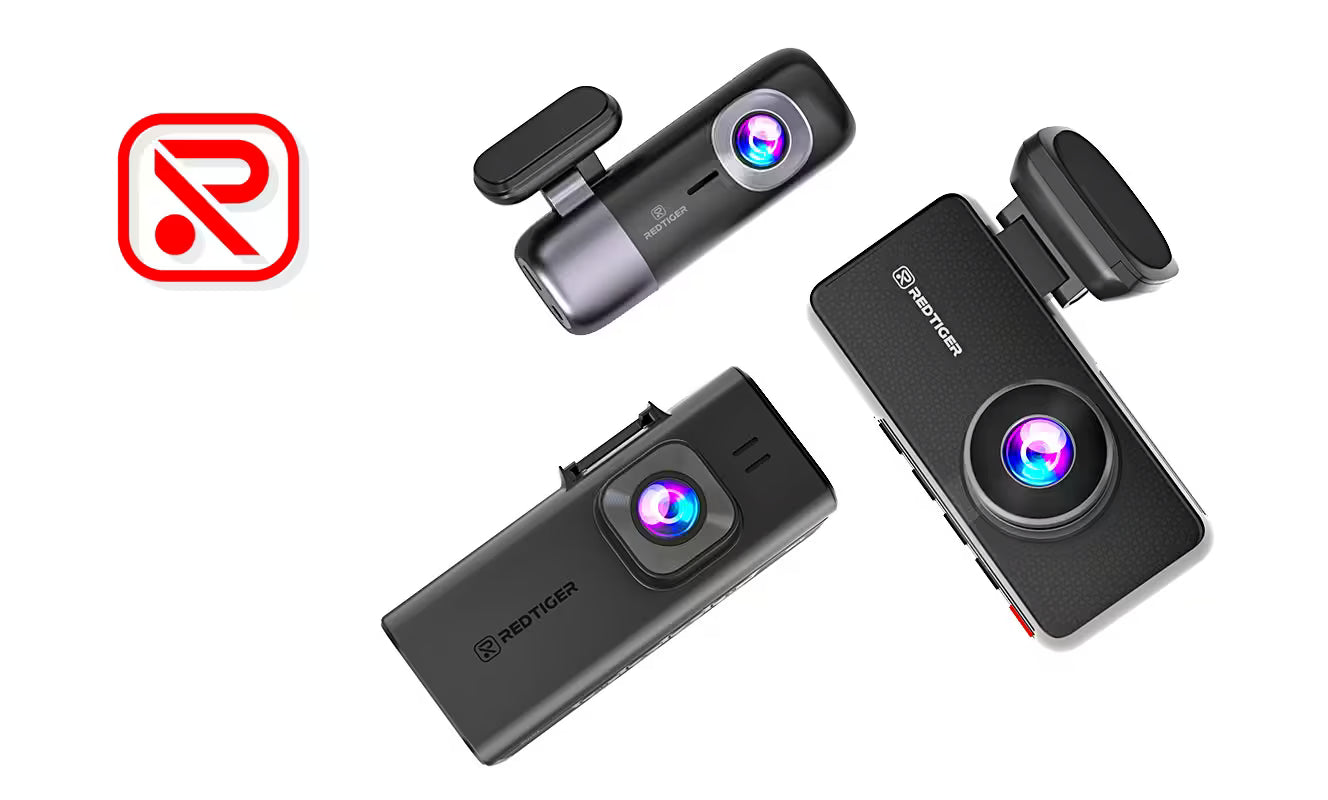
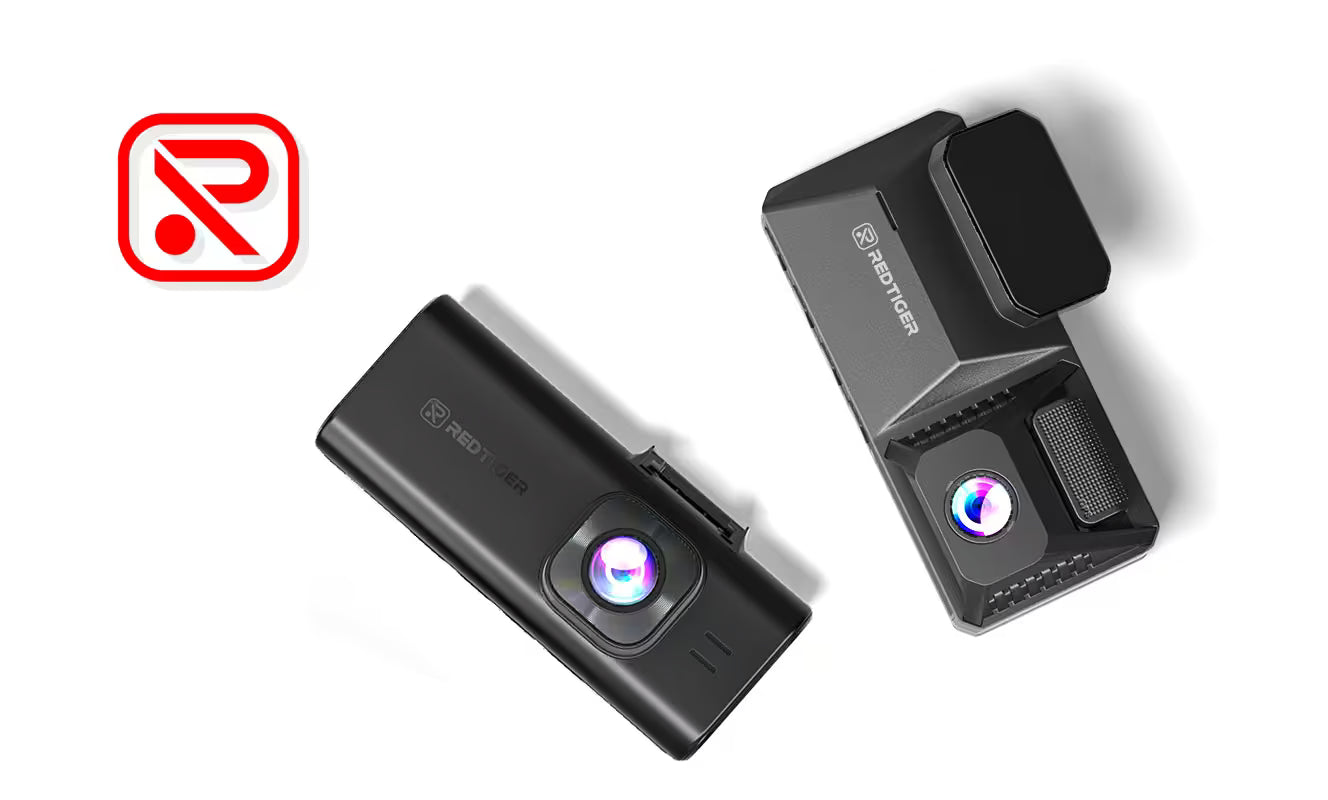
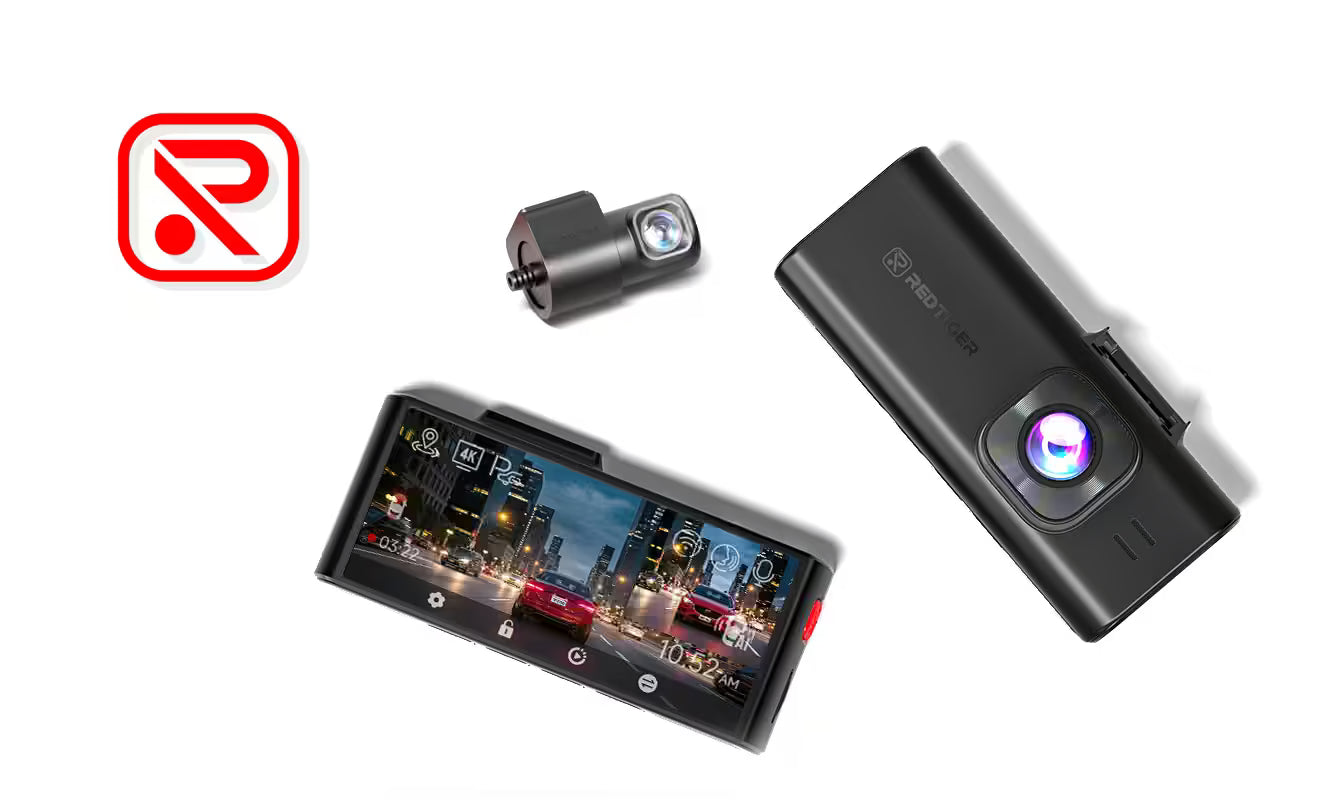
Knowing what to look for means choosing a dash cam that genuinely protects you, not just one that looks impressive on paper. Redtiger builds its dash cams around Sony STARVIS 2 sensor technology, which is one reason the brand is the #1 best-selling dash cam on Amazon UK, trusted by over 1.7 million drivers across 74 countries and recognised with CES 2026 and Security Today 2025 awards. When you understand the sensor, the right choice becomes clear.

Leave a comment
This site is protected by hCaptcha and the hCaptcha Privacy Policy and Terms of Service apply.