

















Why Your Dash Cam Is Useless When You Park (And How to Fix It)
Nearly 31% of all UK insurance claims originate from incidents that happen while cars are parked. One in five drivers returns to their vehicle to find damage with no note left behind, and hit-and-run incidents have risen 12% over the past two years.
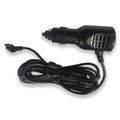
If your dash cam is plugged into the cigarette lighter, it cuts out the moment you turn off the ignition. Your car sits completely unprotected during the hours it is most vulnerable.
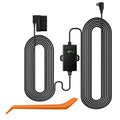
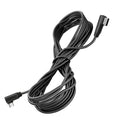
Hardwiring is the only reliable way to keep your dash cam running 24/7 in parking mode. A hardwire kit costs around £20–£30, and a competent DIYer can fit one in about 30 minutes. Here is exactly how to do it.
What You Need Before You Start: Tools and Kit
Before you open any trim panels, gather the following:
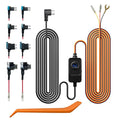
- Hardwire kit (includes fuse taps, mini fuse, and add-a-fuse connectors)
- Multimeter
- Trim removal tools (plastic pry tools to avoid scratching panels)
- Cable clips or adhesive cable tidies
- High-endurance microSD card (U3-rated, such as SanDisk High Endurance or Samsung Pro Endurance)
The two-wire logic is the key concept to understand. Your hardwire kit has two power wires: a constant (BATT/Always-On) wire that draws power continuously from the battery, and an ACC (accessory/ignition-switched) wire that tells the dash cam whether the engine is running or not. This pairing is what allows the camera to switch into parking mode automatically when you turn off the ignition.
Every hardwire kit should include a voltage cutoff module. This is non-negotiable. It monitors your car battery and cuts power to the dash cam when voltage drops to around 11.6V–12.0V, preventing the battery from draining so far that you cannot start the engine.
For UK climates, choose a dash cam built with a supercapacitor rather than a lithium battery. Lithium cells can swell and fail in hot car interiors during summer. Supercapacitors handle temperature extremes far better and are the preferred choice for hardwired installs. Standard microSD cards will also fail prematurely under constant write cycles, so a high-endurance card rated U3 is essential for continuous or parking-mode recording.
Step-by-Step: How to Hardwire Your Dash Cam
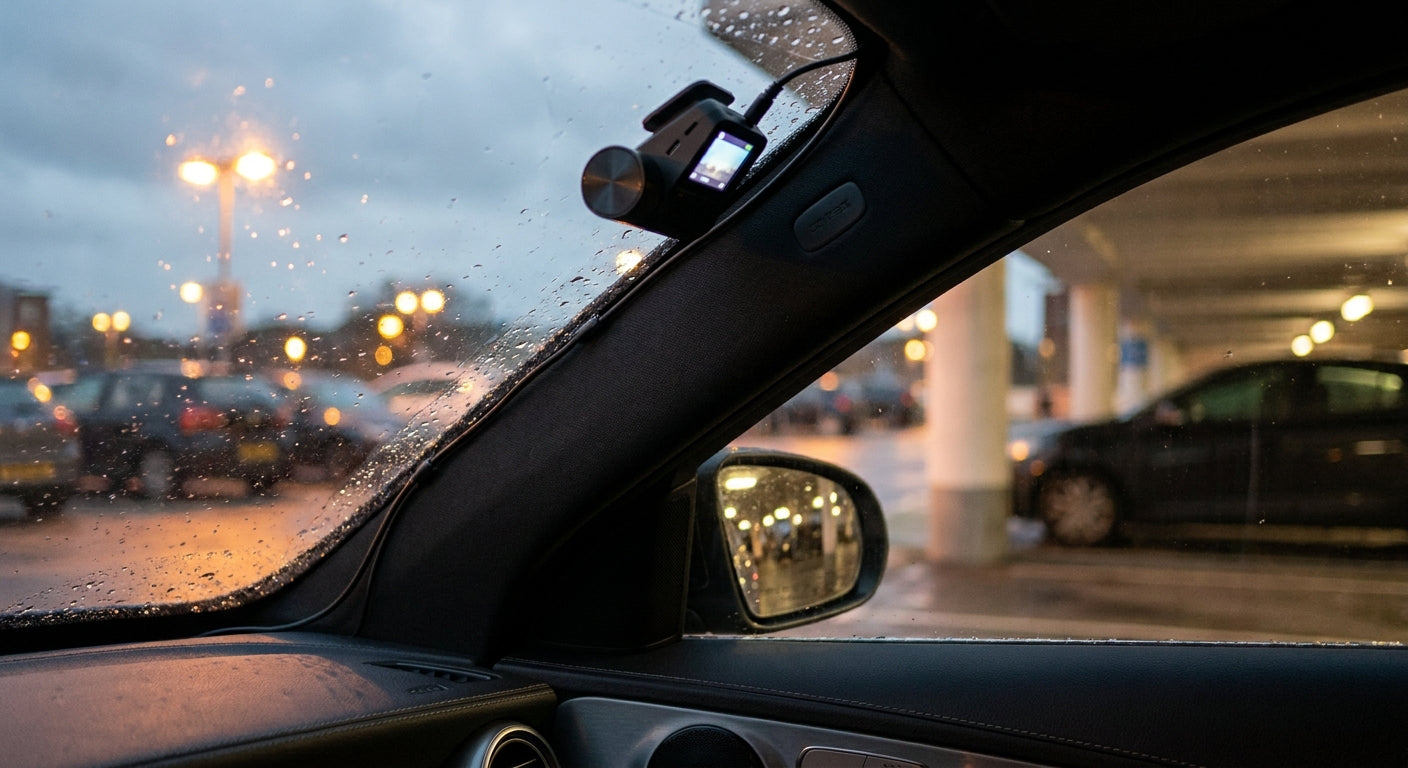
Step 1: Mount the dash cam and plan your cable route. Position the camera on the windscreen, then route the power cable behind the A-pillar trim, along the headliner, and down into the dashboard area where the fuse box sits. Use your plastic trim tools to gently pop panels and tuck the cable out of sight.
Keeping cables hidden is about more than aesthetics. Dangling wires that obstruct the driver's view can result in a £200 fine and penalty points under UK law.
Step 2: Locate your fuse box. Most cars have a fuse box under the dashboard on the driver's side, though some vehicles also have one in the engine bay. Check your owner's manual for the fuse box diagram. You need to identify two fuses: one ACC (ignition-switched) fuse and one constant (always-on) fuse, each rated between 10A and 30A.
Step 3: Confirm your fuses with a multimeter. Set your multimeter to DC voltage. With the ignition on, test each fuse. An ACC fuse will show around 12V with the ignition on and 0V with it off. A constant fuse will show around 12V regardless of ignition position. Take your time here — getting this right is the foundation of the entire install.
⚠ Safety Warning: NEVER tap into safety-critical fuses such as airbags, ABS, or engine management. Interfering with these circuits can disable life-saving systems. If you are unsure which fuse is which, stop and consult a professional.
Step 4: Install the fuse taps. Connect the ACC wire from your hardwire kit to the ACC fuse slot using the fuse tap. Connect the constant wire to the constant fuse slot. Follow the instructions included with your specific hardwire kit, as connector types can vary.
Step 5: Connect the voltage cutoff module. Wire the cutoff module in line between the fuse taps and the dash cam. Set the cutoff threshold appropriate to your battery type. For standard lead-acid batteries, 11.8V is a common setting. If your car has a start-stop system, set it slightly higher.
Step 6: Tidy up and test. Tuck all cables neatly, replace the trim panels, and secure any loose wire with cable clips. Turn on the ignition: the dash cam should power up and begin recording normally. Turn off the ignition: the dash cam should transition into parking mode within a few seconds. If both work correctly, your install is complete.
Choosing the Right Parking Mode for Your Situation
Not all parking modes work the same way. There are three main types:
- Motion detection: The camera activates when it detects movement in front of the lens. Best for open-air car parks where people and vehicles pass frequently.
- G-sensor impact detection: The camera triggers recording when it senses a physical bump or jolt. Ideal for covered multi-storey car parks where tight spaces make door dings common.
- Time-lapse recording: The camera captures one frame every few seconds, creating a compressed record of everything. Useful for long-stay airport parking or overnight stays.
Buffered parking mode is the most evidentially useful option. It saves footage from several seconds before and after a trigger event, so you capture the full context of an incident rather than just the aftermath. When reviewing footage after a hit-and-run, those few seconds of pre-event recording often capture the other vehicle's number plate.
Storage matters too. A 64GB high-endurance card retains significantly more hours of parking mode footage than a 32GB card before loop recording overwrites older files. If you regularly leave your car parked for long periods, opt for the larger card.
The value of this footage is well established. The National Dash Cam Safety Portal has received over 135,000 clips, with 7 in 10 resulting in punishment for the offender.
When to Go Pro: Vehicles That Need a Specialist
Some vehicles make DIY hardwiring more complicated. Modern German cars from BMW, Audi, and Mercedes often use sophisticated Battery Management Systems (BMS) that can misread a hardwire install as a fault. These vehicles may require specialist knowledge to identify a true ACC fuse, or an OBD-II power cable as an alternative.
EVs and hybrids present their own challenges. Cars like the Tesla Model 3 or Kia EV9 use 12V auxiliary batteries that behave differently to traditional lead-acid units. They typically require lower voltage cutoff thresholds and shorter parking mode durations to avoid draining the auxiliary battery.
If you drive a lease vehicle, check your agreement carefully. Opening the fuse box may breach your lease terms. An OBD-II hardwire cable is a non-invasive alternative: it plugs into the OBD-II diagnostic port under the dashboard and can support parking mode without touching the fuse box. It is also a simpler option for less confident DIYers.
The clear rule: if you are unsure about your vehicle's battery management system, consult a professional installer. The cost of a professional fit is far less than the cost of an electrical fault.
UK Legal Considerations: What Parking Mode Footage Means for You
Dash cam footage that shows identifiable faces or number plates is classified as personal data under the Data Protection Act 2018 and UK GDPR. For private motorists using footage for insurance claims or crime prevention, the personal use exemption generally applies, and you will not need to navigate complex legal requirements.
Commercial drivers are in a different position. If you drive a taxi or work for a rideshare platform, you are a data controller under ICO requirements. You must display a privacy notice in your vehicle and maintain a data retention policy.
The Data (Use and Access) Act 2025, which received Royal Assent in June 2025, introduces additional provisions affecting how dash cam footage is handled as personal data. Fleet and commercial operators should review their compliance in light of this legislation.
If your car is parked on a residential street, be aware that recording neighbours' driveways and pedestrians raises GDPR considerations. The personal use exemption typically applies, but avoid sharing footage publicly unless it is being submitted as evidence. You can submit footage directly to UK police through the National Dash Cam Safety Portal.
The Financial Case: Insurance, Theft, and Peace of Mind
Vehicle theft in England and Wales hit 121,825 in the year ending March 2025, a 74% increase since 2015. The total economic and social cost of car theft is estimated at £1.77 billion per year. Only 32% of stolen cars were recovered in 2024; 68% are never returned to their owners.
Parking mode footage is not just about catching thieves. UK insurers detected £576 million worth of motor fraud in 2024, with crash-for-cash scams making up a significant portion. Clear video evidence from a hardwired dash cam is powerful anti-fraud protection.
The impact on claims processing is striking. The average disputed insurance claim drops from 180 days to just 14 days when supported by clear dash cam footage. Some UK insurers offer premium discounts of 10–25% for drivers with a dash cam, and all top 41 major UK insurers now accept dash cam footage as proof of an incident.
Put simply: a £20–£30 hardwire kit protecting a no-claims bonus worth hundreds of pounds is a straightforward investment.
Your Car Deserves 24/7 Protection — Here's Your Next Step
A cigarette lighter install leaves your car blind the moment you walk away. Hardwiring is the only true solution for round-the-clock parking mode, and it is an achievable job for most DIYers in about 30 minutes with the right kit.
For reliable night-time parking mode footage, choose a dash cam with a Sony STARVIS 2 sensor. It is the current benchmark for low-light recording quality, capturing clear detail even in poorly lit car parks and residential streets.
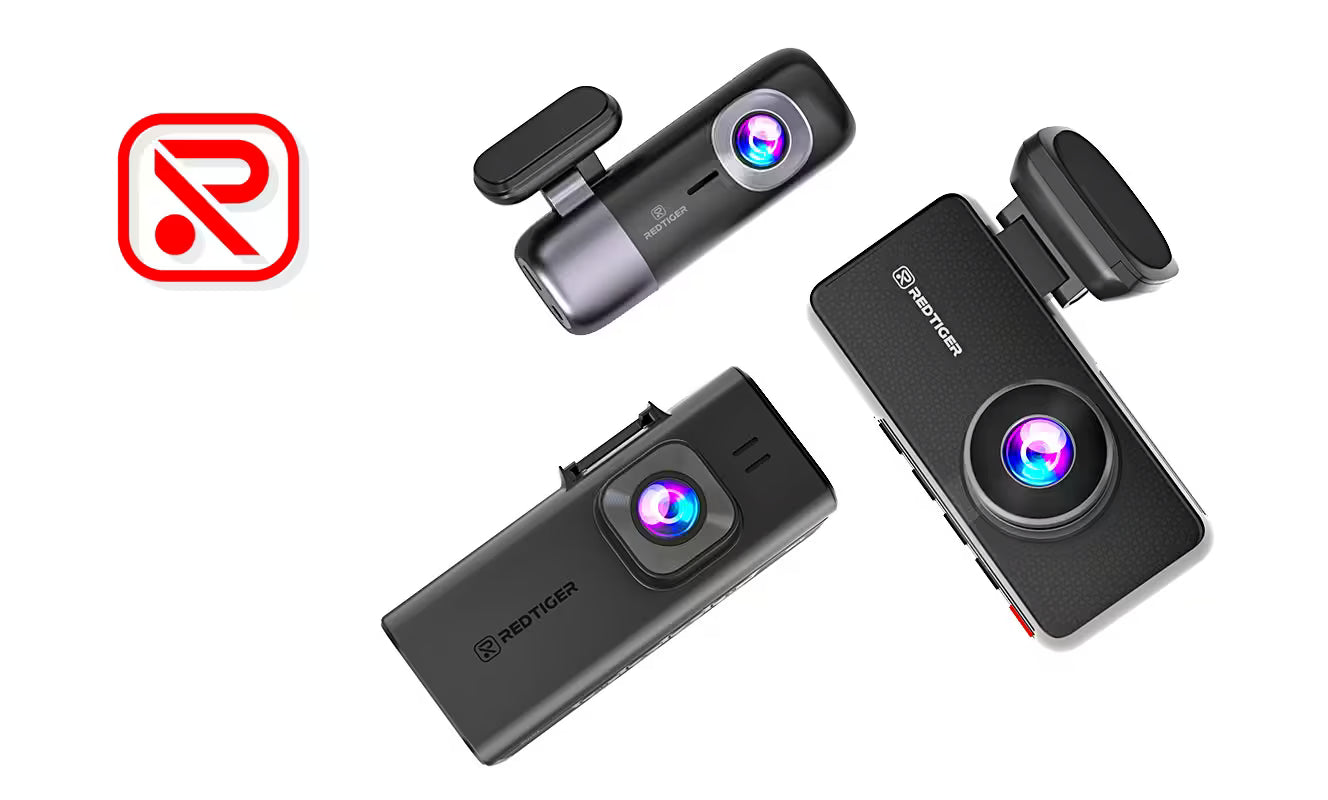
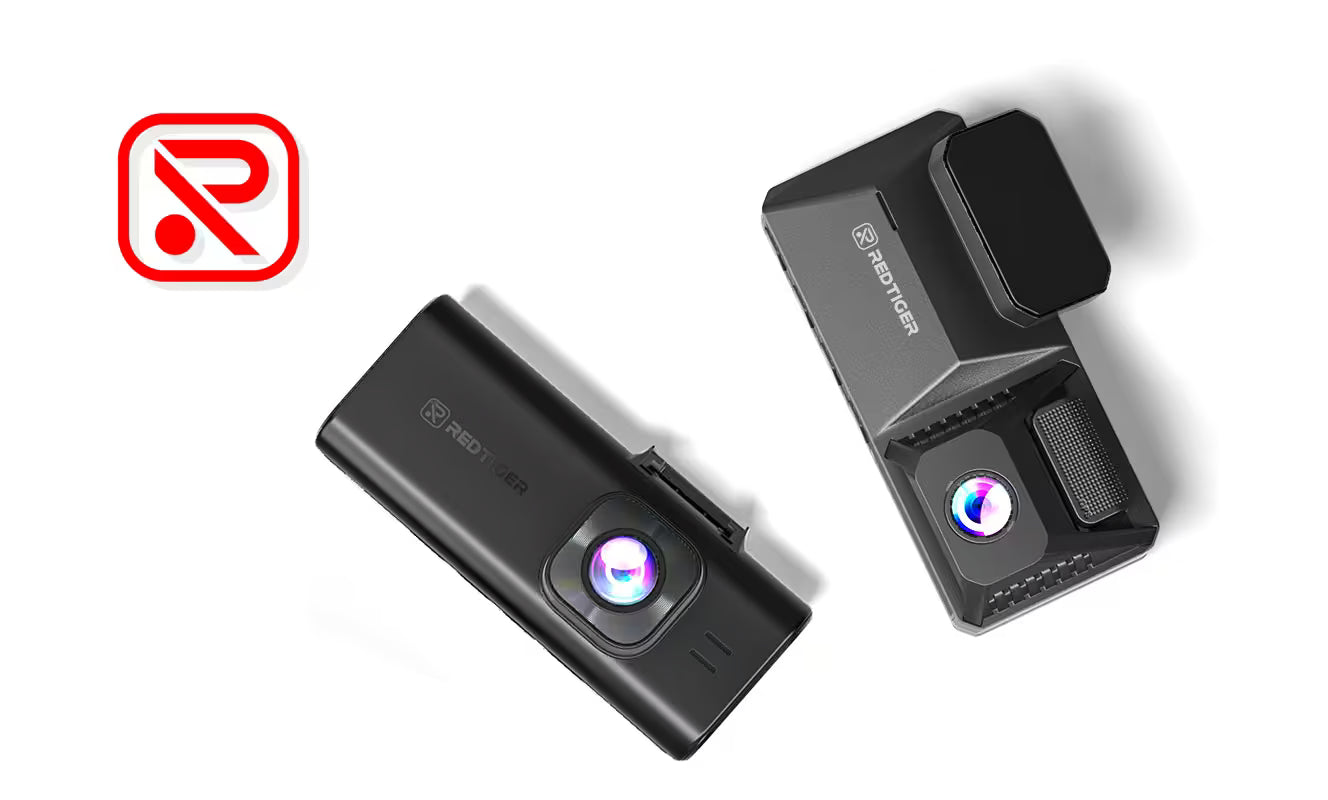
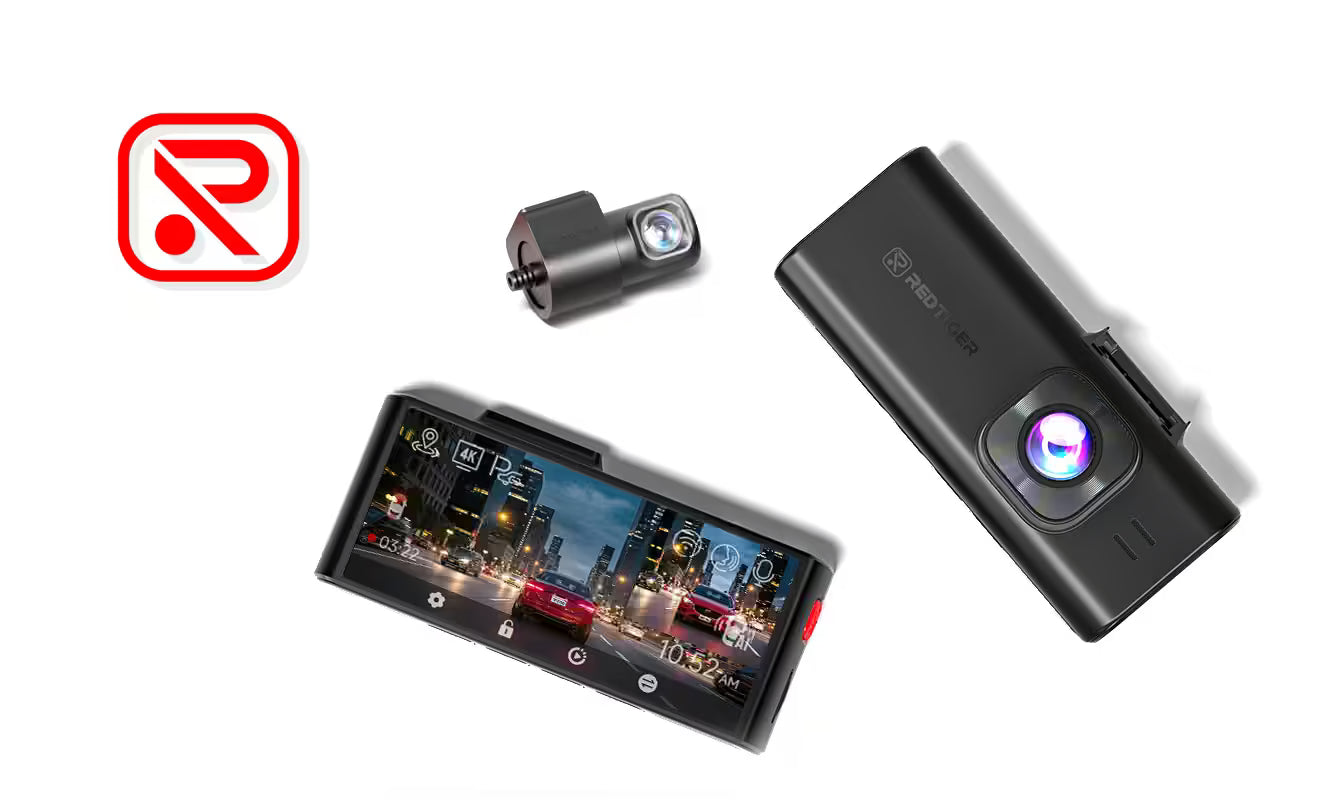
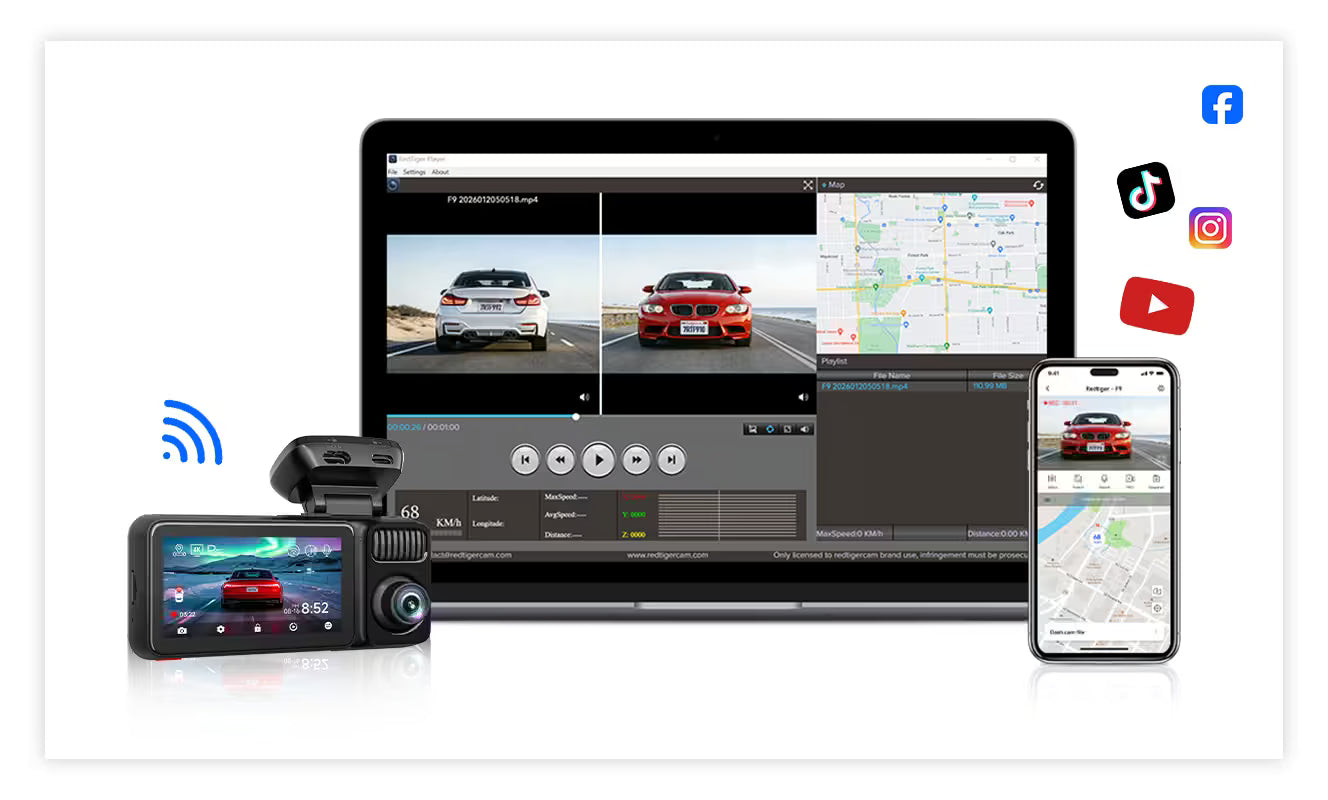
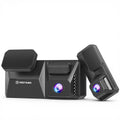
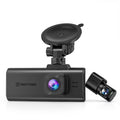
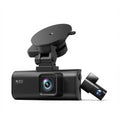
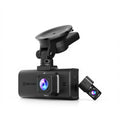
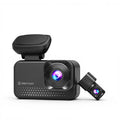
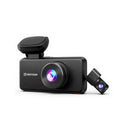
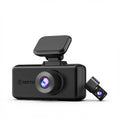
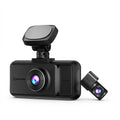
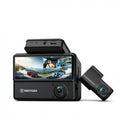
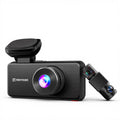
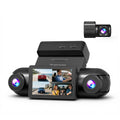
Redtiger's hardwire-compatible dash cam range is trusted by over 1.7 million drivers across 74 countries and holds the number one best-selling dash cam spot on Amazon UK. With a 2-year warranty (plus an extra 6 months when you buy from our official site), a 30-day money-back guarantee, and 24/7 customer support, you are covered long after the install is done.
Browse our hardwire kits and compatible dash cams to give your car the protection it deserves, day and night.

Leave a comment
This site is protected by hCaptcha and the hCaptcha Privacy Policy and Terms of Service apply.