









Your Dash Cam Could Fail Your MOT — And the Screen Might Be Why
Here's something most drivers don't consider: the screen on your dash cam could be the reason it's mounted illegally. Screened dash cams are often angled toward the driver for easy viewing, which pulls the unit lower on the windscreen and into the wiper-swept zone. That's a direct violation of the Road Vehicles (Construction and Use) Regulations 1986 and Highway Code Rule 30, which state that no dash cam may protrude more than 40mm into the wiper-swept area.
With roughly 31% of UK motorists now using a dash cam, this isn't a niche concern. It's a mainstream decision with real legal consequences. This guide will help you choose the right dash cam design for a clean, legal, discreet install, not just the one with the longest spec sheet.
Understanding the Two Designs: What Actually Differs
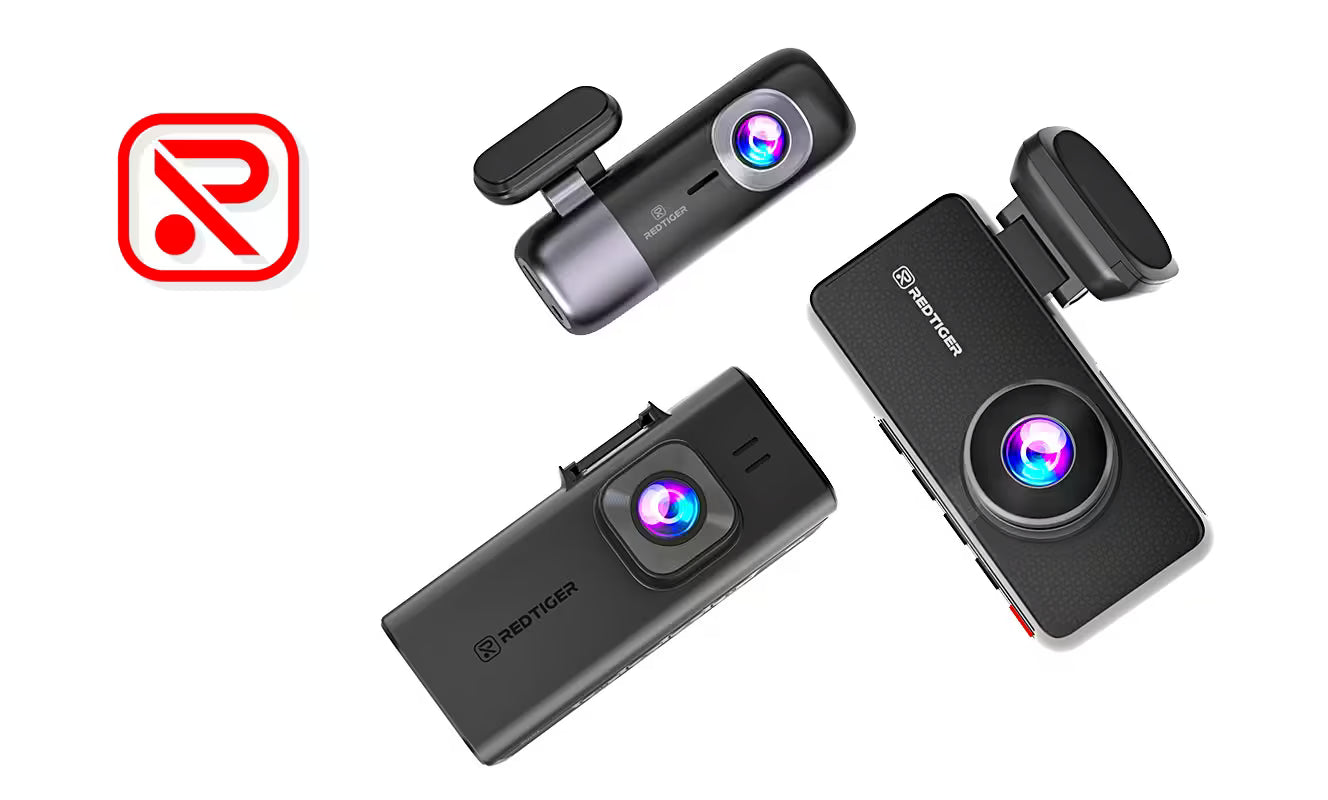
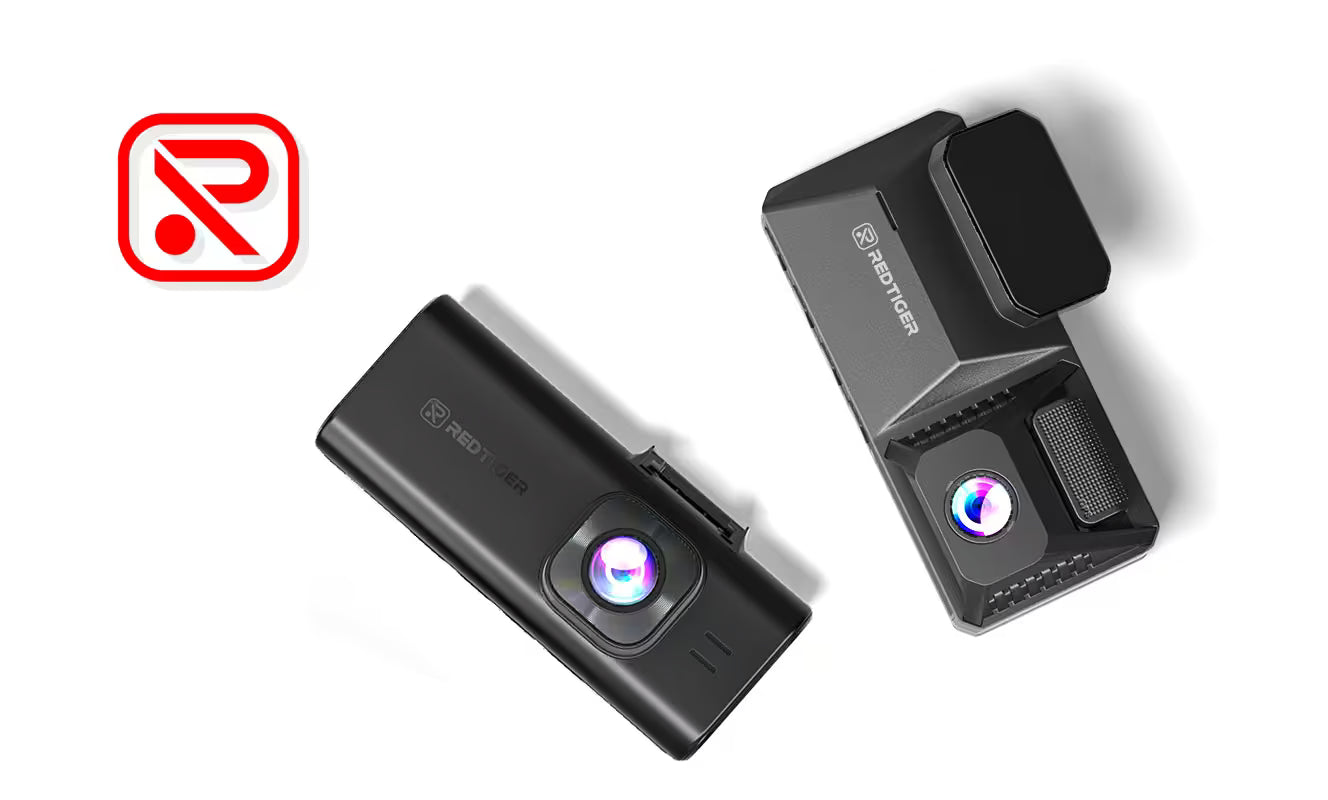
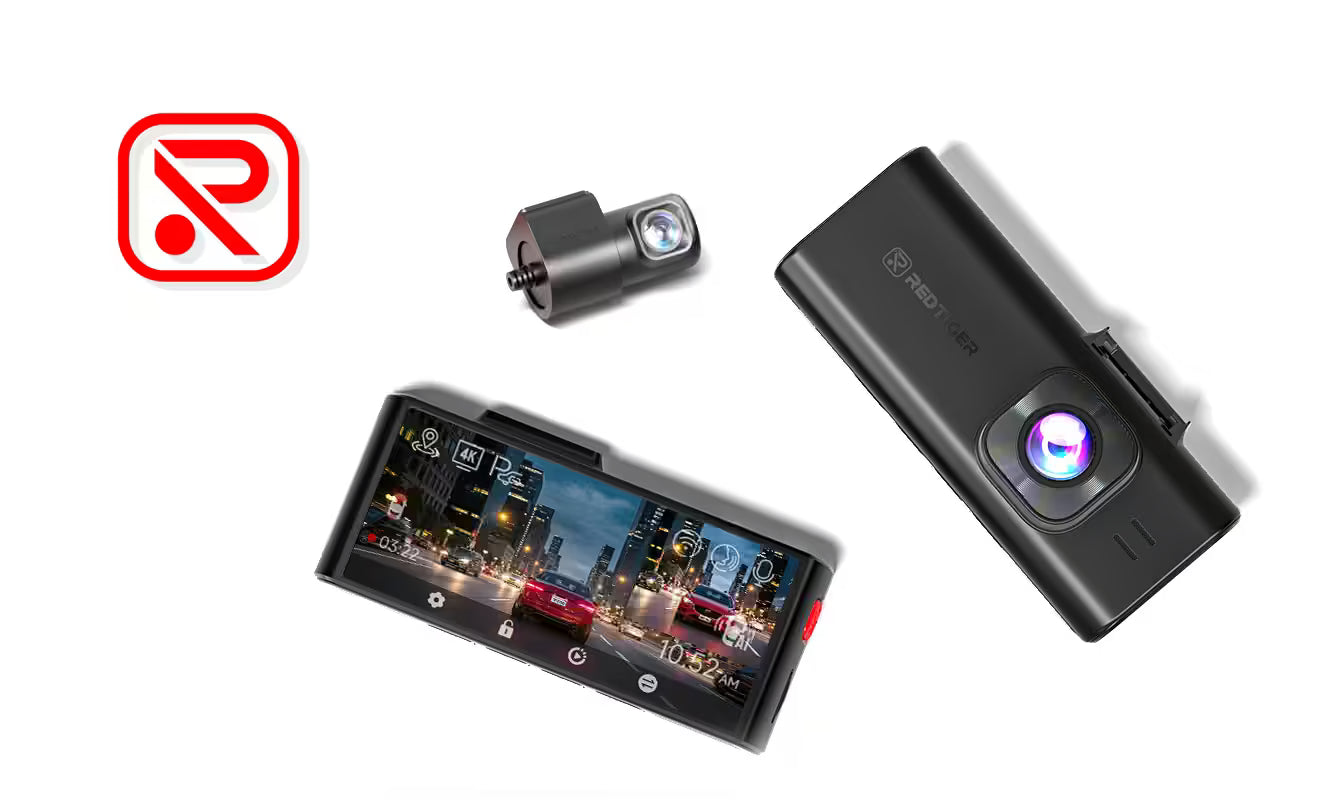
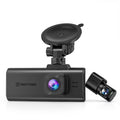
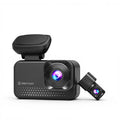
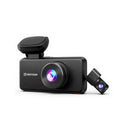
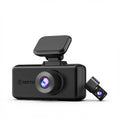
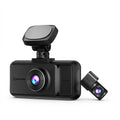
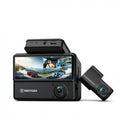
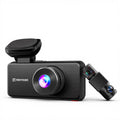
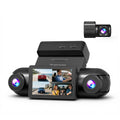
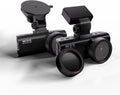
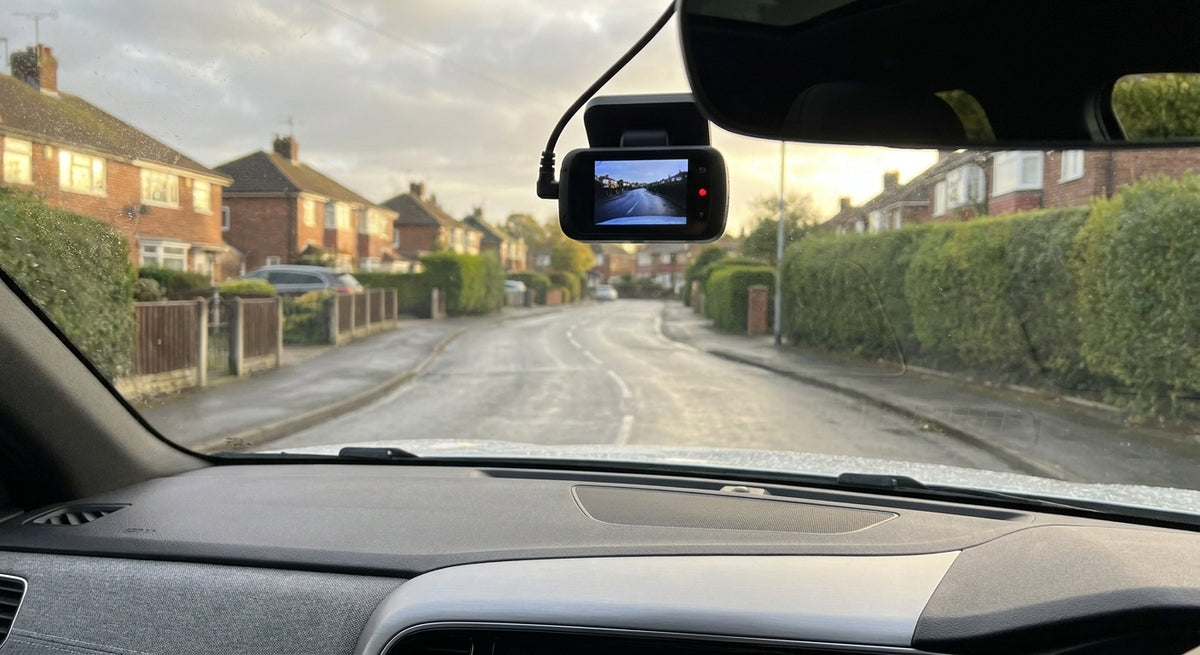
Screened dash cams have a built-in LCD display. You can play back footage, adjust settings, and watch a live view directly on the camera without reaching for your phone. They tend to be larger because the display adds physical bulk to the unit.
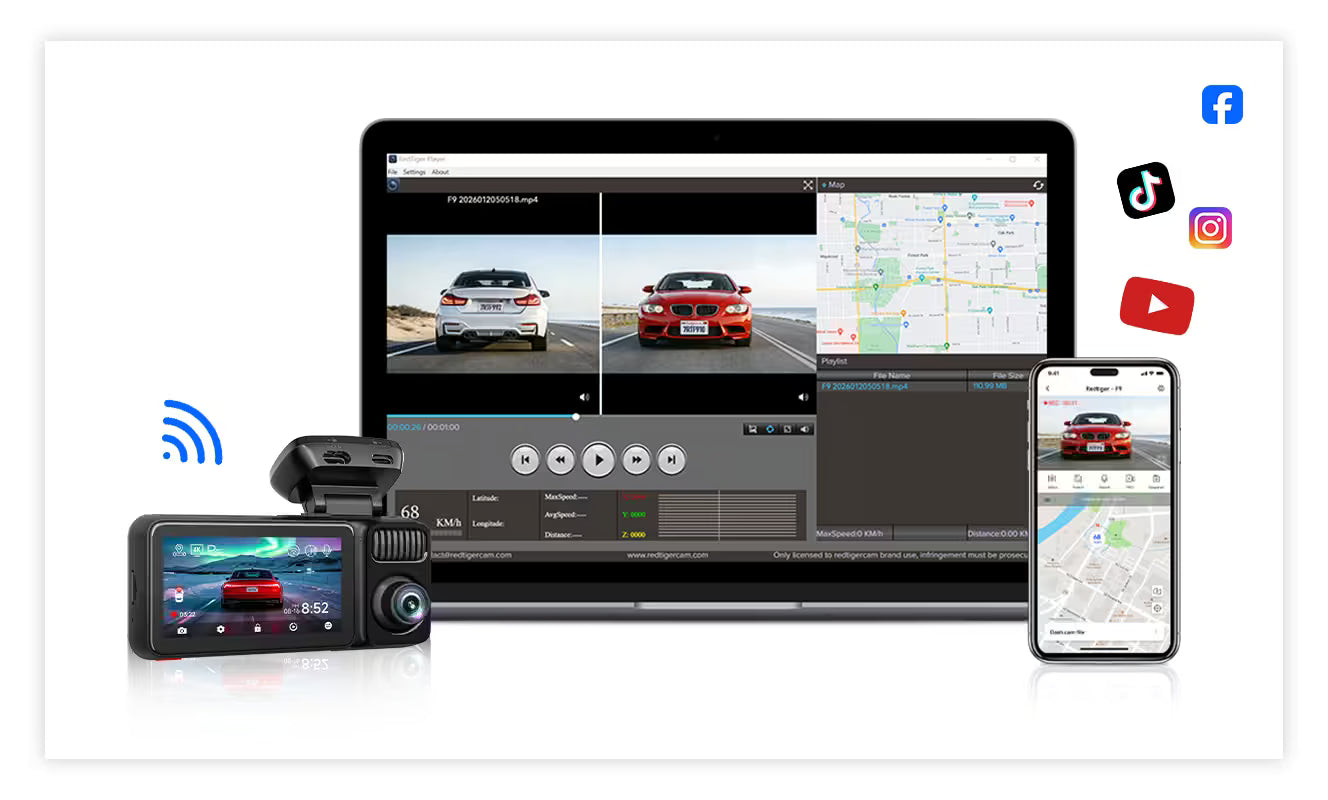
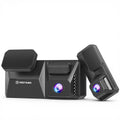
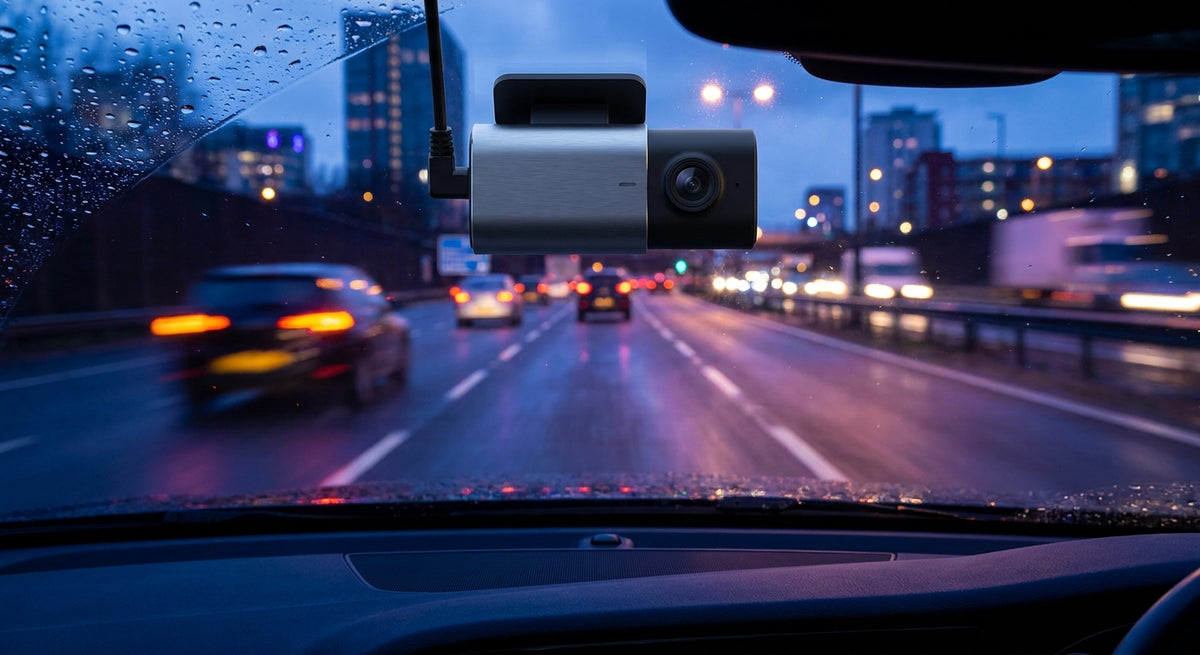
Screenless dash cams skip the display entirely. Setup, live view, and footage review all happen through a companion smartphone app. The trade-off is size: screenless models are significantly more compact, often small enough to tuck almost invisibly behind your rearview mirror.
Both designs must meet the same UK legal placement standard. The 40mm rule doesn't care whether your cam has a screen or not. And regardless of design, the minimum recommended resolution for UK roads in 2026 is 1440p (2K). Anything lower risks failing to capture number plates at distance or in poor light, which defeats the purpose of having a dash cam at all.
The Legal Placement Advantage of Going Screenless
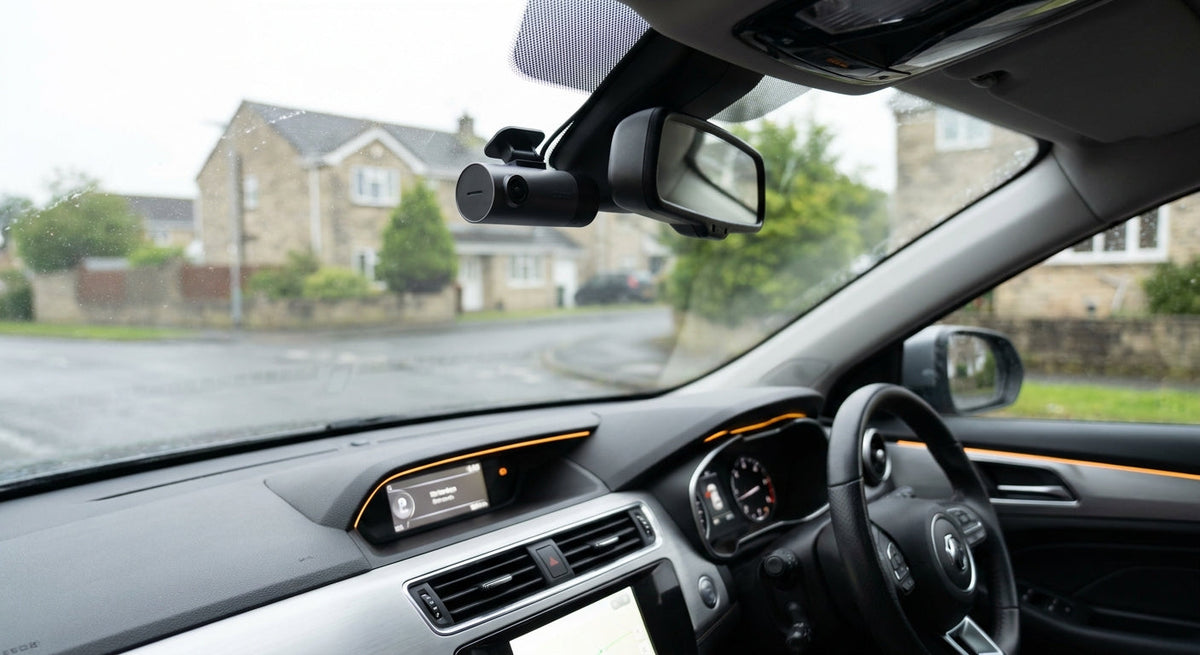
The optimal legal mounting position for any UK dash cam is behind the rearview mirror, in the upper-centre of the windscreen. This keeps the camera outside the driver's eyeline and comfortably within the 40mm legal zone.
Screened cams create a structural compliance problem. Drivers instinctively mount them lower and angle them inward so they can actually read the display. That ergonomic pull drags the unit down into the wiper-swept area, often without the driver realising it's now illegal.
Screenless cams don't have this issue. There's no display to face the driver, so there's no reason to reposition the camera. They sit flush behind the mirror, exactly where the law wants them. No ergonomic pressure, no temptation to compromise.
The consequences of getting placement wrong are real: MOT failure, a fine of up to £200, and 3 penalty points on your licence. That makes the design choice a legal risk factor, not just a cosmetic preference.
Put simply, screenless models are inherently more MOT-compliant by design, not by accident. The compact form factor does the compliance work for you.
Screened Dash Cams: Where They Still Win
Screened cams aren't obsolete. They solve specific problems that screenless models can't. After a collision in a car park or at the roadside, you can review footage instantly without needing a smartphone or a mobile signal. That immediate access can be critical when you need to confirm what happened before the other party leaves.
For less tech-confident drivers, a screened cam is also simpler to set up. There's no app pairing, no Wi-Fi connection to configure. You plug it in, adjust the angle, and it records.
A visible screened unit on the windscreen can also act as a deterrent, signalling to opportunistic criminals that the vehicle is being monitored. Taxi and rideshare drivers, in particular, benefit from the ability to quickly show footage to passengers, police, or a supervisor without unlocking a phone.
The honest trade-off? The same visibility that deters petty crime can attract smash-and-grab break-ins targeting the camera itself. With over 375,000 vehicle thefts reported in the UK in a recent 12-month period, that's a risk worth weighing.
The App Ecosystem: The Hidden Make-or-Break Factor for Screenless Cams
A screenless dash cam is only as good as its companion app. If the app is sluggish, unreliable, or poorly designed, your camera becomes frustrating to use day-to-day.
Budget screenless models are notorious for dropped Wi-Fi signals, delayed video previews, frozen interfaces, and painfully slow footage downloads. These aren't minor annoyances. With staged "crash for cash" accidents up 84% in 2025 and nearly 30,000 fraud reports submitted to the IFB's CheatLine service that year, getting footage off your camera quickly at the roadside is a genuine safety need.
The difference often comes down to Wi-Fi standards. Budget cams typically use 2.4 GHz Wi-Fi, which is slow and prone to interference. Higher-spec models use 5.8 GHz Wi-Fi 6, which dramatically reduces transfer times and connection drops.
This is where Redtiger's 5.8 GHz Wi-Fi 6 connectivity stands apart. As the Amazon #1 Best-Selling Dash Cam Brand, trusted by over 1.7 million drivers across 74 countries, we built our app ecosystem around fast, stable transfers when it matters most. Because evidence you can't access quickly is evidence that can't protect you.
Heat, Parking Mode, and the Practical Case for Screenless
Screens generate heat. In a parked car during a UK summer, cabin temperatures can exceed 60°C. A screenless cam produces less heat than a screened model, which means less thermal stress on internal components and a longer overall lifespan.
Lower heat output also reduces the risk of adhesive mount failure. Nothing undermines a clean install quite like a camera that has fallen off the windscreen and is dangling by its power cable.
Screenless cams are more energy efficient too, making them better suited for 24/7 parking mode. When you need continuous low-power monitoring overnight or during a long airport stay, every milliamp counts.
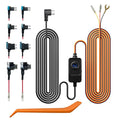
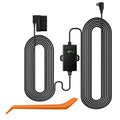
Hardwiring a screenless cam creates a truly factory-fitted look: no visible cables, no protruding screen, no indication to a passing thief that a camera is even present. Professional hardwire installation in the UK typically costs £50 to £120 and ensures cables are routed safely behind side-curtain airbags and interior trim. It's recommended for both designs, but the visual payoff with a screenless model is especially striking.
Which Design Suits Your Driver Profile?
Daily commuters and family drivers: Screenless is ideal. Set it up once, forget it's there, and review footage through the app only when you need to. Clean cabin, zero distraction.
Taxi and rideshare drivers: A screened cam has an edge for quick in-car footage review without reaching for a phone. Just make sure it's mounted legally within the 40mm zone.
New drivers and those worried about insurance fraud: Either design works, but a screenless cam paired with a reliable, fast app gives you quicker evidence sharing through schemes like Operation Snap and Dash Cam Assist.
Drivers prioritising parking security: Screenless with a hardwire kit is the clear winner. Lower power draw, less heat, and no visible target for thieves.
It's also worth noting that some UK insurers offer premium discounts of up to 15% for professionally hardwired dash cam systems. The way you install your camera can save you money, not just protect you.
UK GDPR and Data Obligations: The Same Rules Apply to Both
Dash cam footage that captures number plates, faces, or recognisable locations counts as personal data under UK GDPR and the Data Protection Act 2018. These obligations apply equally to screened and screenless models. Your camera's design doesn't change your legal responsibilities.
Keep footage only as long as necessary and be prepared to share it with police or insurers when legally required. UK police forces actively accept dash cam footage through schemes like Operation Snap, and it's admissible as court evidence. Your camera is a tool for accountability, so treat the data it captures with the same seriousness.
The Verdict: Discreet, Compliant, and Future-Ready
For most UK drivers in 2026, a screenless dash cam is the stronger choice. It's easier to mount legally, generates less heat, draws less power in parking mode, and creates a clean, clutter-free cabin. The one non-negotiable requirement is a reliable app ecosystem with fast Wi-Fi connectivity.
Screened cams remain a valid option for drivers who need instant in-car playback, provided they're mounted carefully within the 40mm legal zone.
This decision directly affects your MOT compliance, theft risk, component longevity, and how quickly you can access evidence after an incident. The right dash cam, correctly installed, is a trusted co-pilot: quietly protecting every journey without cluttering your cabin or risking a fine.

Leave a comment
This site is protected by hCaptcha and the hCaptcha Privacy Policy and Terms of Service apply.