











Why Grey Import Owners Need a Different Dash Cam Guide
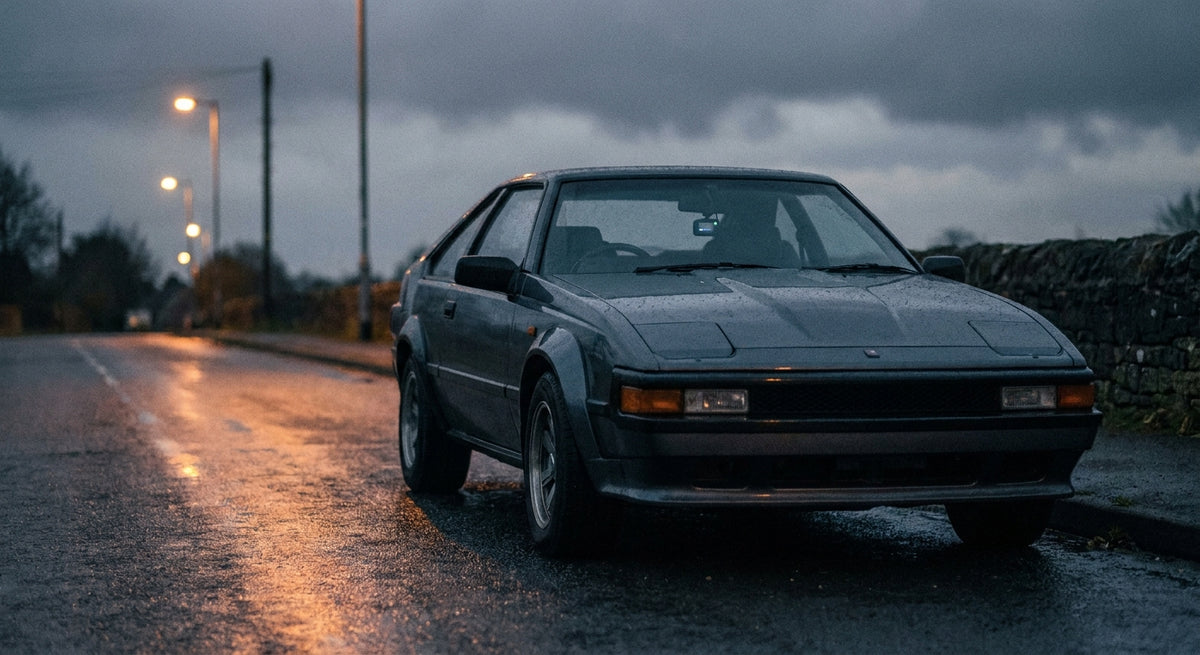
Most dash cam buying guides assume you're driving a standard UK-spec car. They skip over the specific challenges that JDM and grey import vehicles present, and that's a problem for the roughly 200,000 grey import vehicles currently registered in the UK.
With over 15,000 new imports arriving annually (primarily from Japan), this is far from a niche audience. Yet grey import owners already pay 30–63% more for car insurance than UK-spec equivalents. A disputed claim without footage could cost thousands and wipe out a hard-earned no-claims bonus.
Factor in that UK insurance premiums rose 33% in 2024 according to the Confused.com Price Index, and the financial case for evidence protection becomes impossible to ignore. This guide covers everything standard articles miss: placement law, MOT risks, tinted windscreens, fuse box differences, and GPS unit settings specific to import cars.
UK Legal Placement Rules — and Why They Matter More for Import Owners
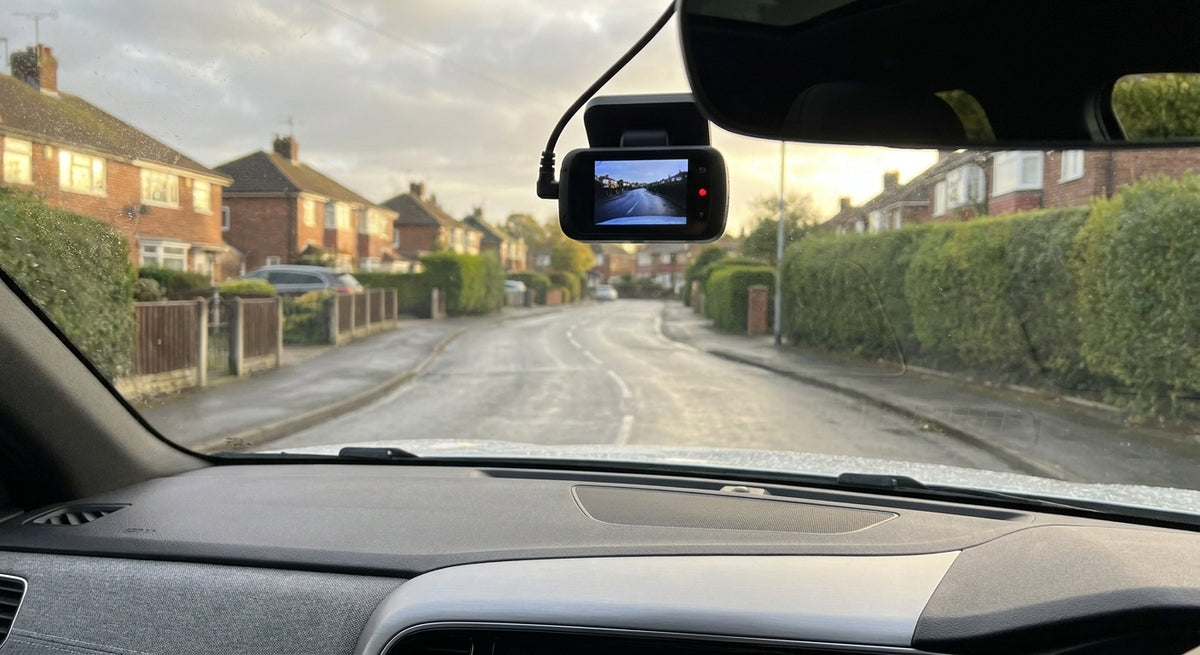
UK Highway Code Rule 30, supported by the Road Vehicles (Construction and Use) Regulations 1986, is clear: a dash cam must not intrude more than 40mm into the windscreen wiper-swept area, and it must not obstruct the driver's view. This applies to every UK-registered vehicle, including imports.
The recommended and legally safest position is behind the rear-view mirror, regardless of whether your car is UK-spec or an imported RHD model. This keeps the device out of your direct line of sight while capturing a clear road view.
Import owners face an additional risk here: an incorrectly placed dash cam can cause an MOT failure. Grey imports already face extra MOT compliance checks, including headlight beam conversion and MPH speedometer display. Adding a dash cam placement failure to that list is entirely avoidable.
Grey import interiors often feature different A-pillar trim, mirror mounts, or windscreen curvature compared to UK-spec equivalents. Standard adhesive mounts may not sit flush or hold reliably, so check fitment carefully before purchasing.
One more legal detail worth noting: operating a dash cam's controls while driving is comparable to using a handheld device under Highway Code Rule 149. Choose a model with automatic start/stop and Wi-Fi app control so you never need to touch the device on the move.
The Tinted Windscreen Problem: JDM Factory Glass and CPL Filters
Many JDM imports arrive with factory-fitted tinted windscreens or privacy glass as standard. This is far more common on Japanese domestic market vehicles than on their UK-spec counterparts, and it directly affects dash cam footage quality.
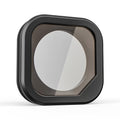
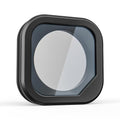
A CPL (circular polarising) filter is a popular accessory that reduces glare on clear glass. When combined with factory-tinted JDM glass, however, it can multiply the darkening effect. The result is night footage that is essentially unusable as evidence.
Our recommendation: avoid CPL filters on JDM imports with factory tint. Instead, prioritise a dash cam with a high-performance low-light sensor to compensate for the reduced light transmission through tinted glass.
A Sony STARVIS 2 sensor is well suited to this scenario. It delivers usable, full-colour footage in low-light conditions without relying on a CPL filter to manage glare. Before committing to any filter accessory, test your footage quality in both daylight and night conditions through your specific windscreen. Every tint level is different.
Hardwiring on a JDM Import: Fuse Box Differences and Parking Mode
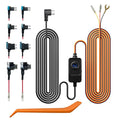
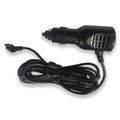
Hardwiring your dash cam is essential for 24/7 parking mode. For high-value JDM collector cars such as the Nissan Skyline GT-R, Toyota Supra, or Mazda RX-7, parking protection is not optional. These are high-theft-risk vehicles that attract attention wherever they're parked.
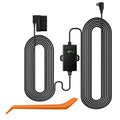
On many JDM imports, the fuse box location differs significantly from UK-spec equivalents. It may be tucked behind the glovebox rather than near the steering column, which complicates hardwire kit installation considerably.
Before purchasing a hardwire kit, consult a JDM-specific forum or import specialist to identify the correct fuse box location and fuse ratings for your exact model and year. This step can save hours of frustration and prevent electrical issues.
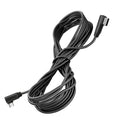
Rear camera cable routing also presents unique challenges on imports. Interior trim clips, cable channels, and routing paths may differ from UK-spec versions of the same model, even when the exterior looks identical. Plan your cable route before pulling any trim panels.
Once installed, parking mode with motion detection and time-lapse recording provides evidence of hit-and-run incidents and vandalism. Visually distinctive import vehicles face a disproportionately high risk of both, making this feature well worth the installation effort.
GPS Speed Display: Ensuring Your Dash Cam Shows MPH, Not km/h
Many JDM imports retain km/h-primary instrument clusters even after the legally required MPH conversion. This can create confusion when reviewing dash cam GPS speed data, particularly during an insurance claim or police investigation.
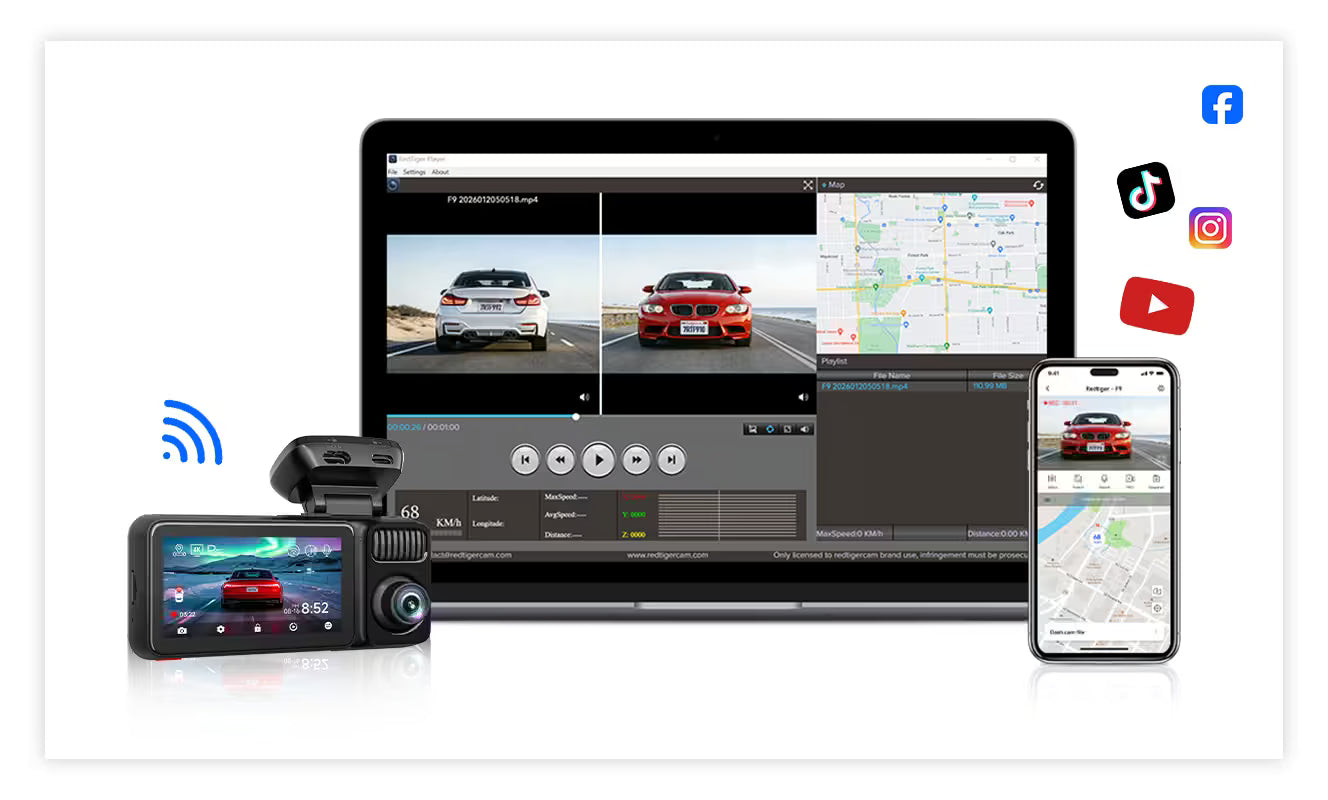
Some dash cams default to km/h in their GPS overlay. Before purchasing, verify that the unit allows manual switching to MPH in the settings menu. GPS speed data displayed in MPH is significantly more useful as legal evidence in UK courts, where speed limits are expressed in miles per hour.
Check the companion app settings as well as the device itself. Some models only allow unit switching through the app, not the on-device menu. This is a small but frequently overlooked detail that standard UK dash cam guides rarely address for import owners. Getting it right before installation saves you from discovering the problem when you actually need the footage.
Choosing the Right Dash Cam Specification for Your Import
Front-and-rear dual-channel recording is the minimum recommended setup for any grey import owner. Around 45% of UK road accidents involve rear-end shunts, making rear coverage essential rather than a luxury.
4K front resolution ensures number plates and road markings remain legible in footage used for insurance claims or police evidence. This matters more for grey import owners than most: UK insurers detected over 51,700 fraudulent motor insurance claims worth £576 million in 2024, with crash-for-cash scams accounting for a significant portion. Import car owners can be specifically targeted by fraudsters who assume the driver is less familiar with UK legal processes.
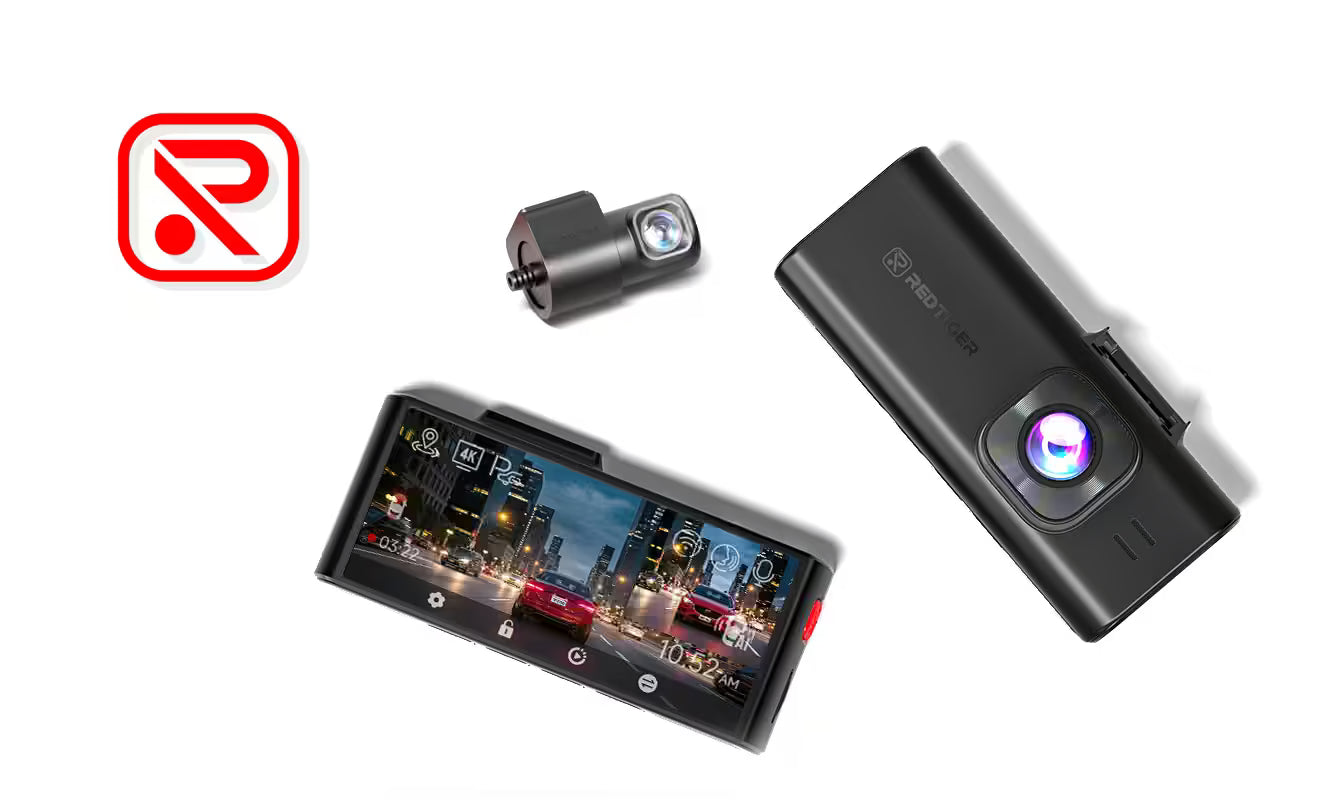
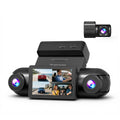
For JDM imports used for rideshare or taxi work, a 3-channel system adding interior cabin recording provides an additional layer of driver protection. Wi-Fi 6 (5.8 GHz) connectivity allows fast footage transfer to a smartphone without touching the device while driving, keeping you Highway Code compliant.
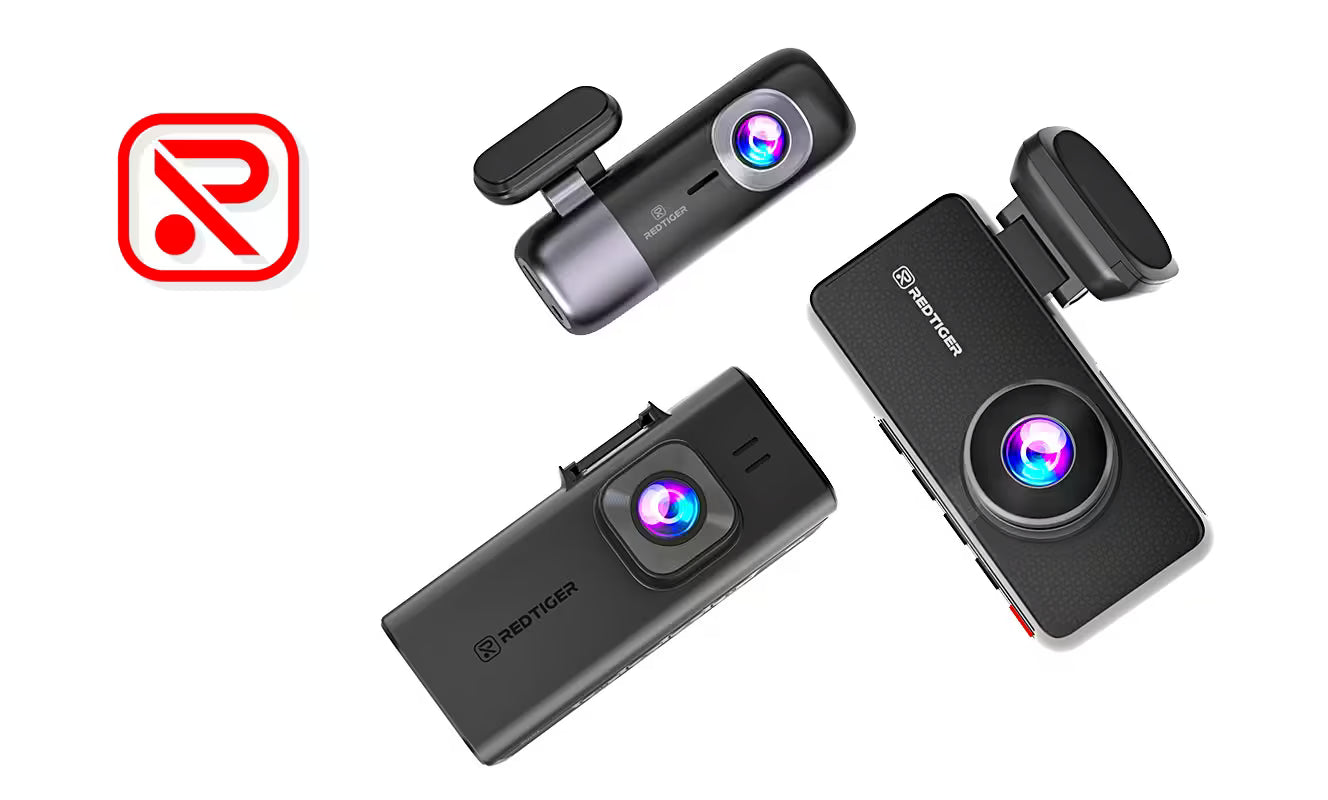
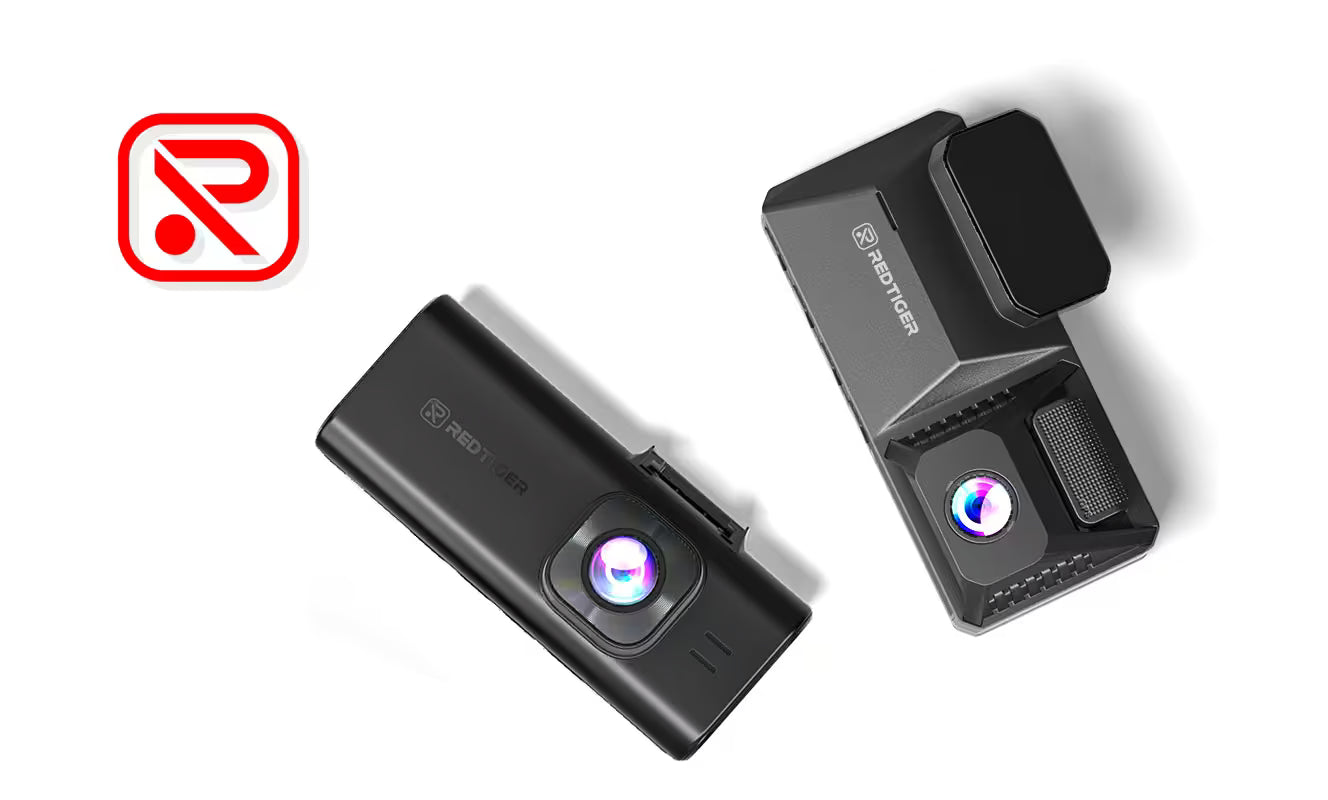
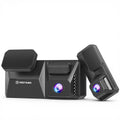
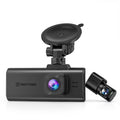
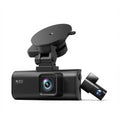
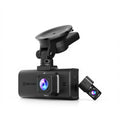
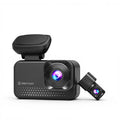
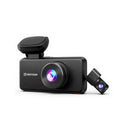
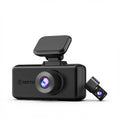
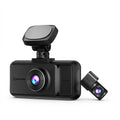
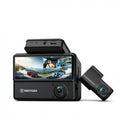
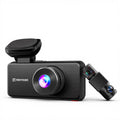
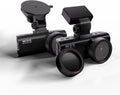
The Redtiger F17 Elite addresses the specific combination of challenges faced by JDM and grey import owners. Its Sony STARVIS 2 sensor handles low-light conditions through tinted glass. 4K front recording captures the detail needed for evidence. Full-colour cabin night vision covers interior recording for rideshare drivers. NiteGuard™ parking mode protects your vehicle around the clock. App-based control means you never need to reach for the device while driving.
Insurance, Evidence, and the Financial Case for Getting This Right
Dash cam footage is accepted by UK police, courts, and all major UK insurers as evidence in claims. For grey import owners paying 30–63% more in premiums than UK-spec equivalents, protecting a no-claims bonus is financially critical.
Dash cam insurance discounts in the UK typically range from 10–15%, with some specialist insurers offering up to 30% off. That discount can partially offset the import premium surcharge you're already paying.
Timestamped, GPS-tagged footage is a direct countermeasure against crash-for-cash fraud. It removes ambiguity from any dispute and puts you on equal footing with any other UK driver, regardless of your vehicle's origin.
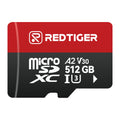
Two practical points to get right: use a high-endurance microSD card rated for continuous recording. Standard consumer cards can fail within weeks under the constant write cycles a dash cam demands. Prioritise a product with a solid warranty, too. A 2-year warranty and 30-day money-back guarantee give you the confidence to commit to a full hardwire setup, knowing the product is backed if anything goes wrong.
Your Grey Import Deserves a Dash Cam That Keeps Up With It
Five decisions separate a properly set up grey import dash cam from a generic installation: legal placement behind the mirror, avoiding CPL filters on tinted JDM glass, planning your hardwire installation around non-standard fuse box locations, verifying GPS speed units display in MPH (in both the device and the app), and choosing 4K dual-channel or 3-channel recording.
Grey import ownership comes with higher financial stakes across the board. Higher premiums, higher import costs, and closer scrutiny at MOT all mean the right dash cam choice carries more weight than it does for a standard UK car owner.
Get these details right, and you gain the same evidence protection and peace of mind as any driver on UK roads, with a setup built around your car's specific characteristics. Your import earned its place here. Make sure your dash cam is ready for the road.

Leave a comment
This site is protected by hCaptcha and the hCaptcha Privacy Policy and Terms of Service apply.