












The Truth About Dash Cams and UK Car Insurance in 2026
Over 9 million UK drivers now have a dash cam fitted in their vehicle. Yet most of them misunderstand exactly how that camera saves them money on insurance.
The honest picture: direct premium discounts for dash cam owners are becoming rarer by the year. The real financial benefit lies in protecting your No Claims Bonus and defending yourself against fraud. With the average UK comprehensive premium sitting at £560 in Q1 2026 (down from a peak of £636 in Q1 2024), every saving counts.
This article covers the three ways a dash cam can genuinely save you money: direct discounts (limited), NCB protection (significant), and fraud defence (structural). No outdated advice, just the 2026 reality.
Do UK Insurers Still Offer a Direct Dash Cam Discount?
There is an important distinction most guides skip over. A direct premium discount means your insurer knocks a percentage off your quote simply because you own a dash cam. An indirect saving means the camera helps you avoid costs down the line, primarily by protecting your claim record. Both matter, but they work very differently.
Among the major household names, direct discounts have largely disappeared. Aviva, Admiral, and Direct Line no longer offer a specific percentage off for having a camera installed. Their position has shifted: they will accept your footage if you need to make a claim, but they will not reduce your premium upfront for owning one.
Specialist insurers tell a different story. Adrian Flux offers discounts of up to 15% for drivers using an approved dash cam. Swiftcover and MyPolicy have offered incentives ranging from 5% to 12.5%. Some specialist providers go further still, with discounts of up to 30% for drivers using specific approved brands.
Nextbase runs a dedicated insurer partnership programme with AXA, KGM, Aviva, and Ageas, offering exclusive discounts to Nextbase customers through that scheme. It is worth checking whether your insurer participates in a similar arrangement.
Practical advice: always phone your insurer directly and ask. Policies change frequently, and the 2026 landscape looks quite different from guides published even a year ago. One important warning: if you declare a dash cam on your policy and then cannot provide footage after an incident (because the card failed or the camera was not recording), the insurer may void your discount or even cancel the policy.
The Real Money-Saver: Your No Claims Bonus
Your No Claims Bonus (NCB) is a discount that builds up for every consecutive year you drive without making a claim. After several years of claim-free driving, it can reach up to 75% off your premium, a substantial sum most drivers take for granted until it is gone.
Consider the numbers. A 75% NCB on the current average premium of £560 saves you approximately £420 per year. Over five years, that is £2,100 in savings. A single disputed non-fault claim, where the other driver denies responsibility and you have no evidence, can wipe out years of that bonus. The financial hit compounds over time.
This is where a dash cam earns its keep. Around 75% of motorists successfully resolve insurance disputes when they have dash cam footage to support their version of events. Without footage, you are left in a prolonged liability argument that can drag on for weeks or months. Clear video proving you were not at fault protects an NCB worth £300 to £800 annually and can cut claims processing from weeks to days.
Consider the return on investment: a quality dash cam costs around £100 to £200. It is a one-off purchase protecting a £420-per-year recurring saving. The camera pays for itself in under five months.
There is a broader angle too. Crash-for-cash scams remain a serious problem. In 2024, UK insurers detected 51,700 fraudulent motor claims worth £576 million, a 5% increase on the previous year. That fraud adds an estimated £50 to £60 to every law-abiding driver's annual premium. A dash cam is one of the few tools an individual driver has to fight back against staged collisions and fraudulent claims.
What Makes Dash Cam Footage Valid for an Insurance Claim?
Not all footage is created equal. For your video to hold up in an insurance claim, it must be unedited, carry accurate timestamps, clearly show the incident, and maintain a proper chain of custody. Handing over a file that has been cropped, compressed through social media, or carries the wrong date stamp can undermine your case.
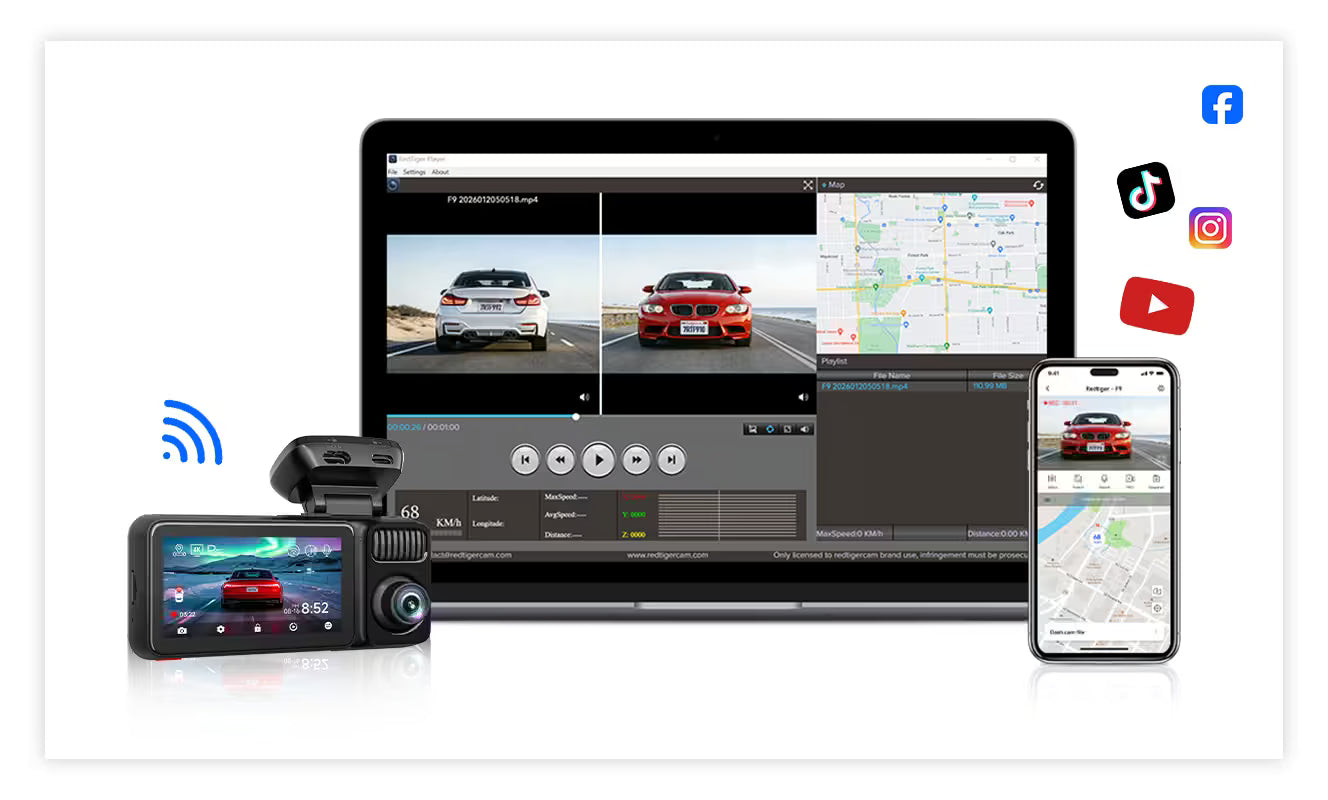
Resolution matters more than ever. While 1080p is the minimum standard, 4K is increasingly preferred. Major UK insurers now deploy AI-powered software to analyse uploaded footage, determining vehicle speed and impact force within seconds. Higher resolution gives these systems more data to work with, which strengthens your claim. GPS data is equally important, recording your speed and precise location at the moment of an incident.
All 41 major UK insurers surveyed by Nextbase now accept dash cam footage as valid evidence, a significant shift from just a few years ago that removes any doubt about whether your insurer will use the video.
Dash cams are fully legal in the UK. They do not need to be registered and can be self-fitted. The only rule is that the camera must not obstruct the driver's view; the Highway Code specifies it must not intrude more than 40mm into the windscreen wiper sweep area.
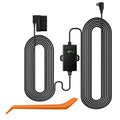
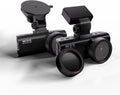
A dual-channel setup (front and rear) is strongly recommended. Around a quarter of road accidents involve rear-end collisions that a front-only camera cannot capture. Parking mode is another growing consideration: hardwired cameras that record while your car is unattended can capture hit-and-run evidence in car parks, a benefit some insurers are beginning to recognise.
The Risks of Dash Cam Ownership Most Guides Don't Tell You
Contributory negligence is the risk nobody talks about. If your footage shows you were speeding or driving recklessly at the time of an incident, your insurer can use that evidence against you. This can reduce your payout by 25% or more. Your dash cam is an impartial witness; it records everything, not just what helps your case.
There is also the declaration trap. If you have told your insurer you have a dash cam and then cannot provide footage after an incident (perhaps because the SD card failed or the camera was not switched on), the insurer may void your discount or cancel the policy entirely.
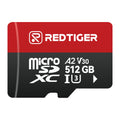
The practical fix is straightforward: check regularly that your camera is recording, invest in a high-endurance SD card designed for continuous recording, and test your footage quality every few weeks.
A brief note on data protection: UK dash cam owners have obligations under GDPR regarding data retention. Be mindful of how long you store footage, consider notifying passengers that recording is in progress, and take care when sharing footage publicly on social media. These rules are manageable, but worth knowing about.
None of these risks should put you off owning a dash cam. They are all avoidable with the right equipment and good habits. Awareness is the best protection.
Dash Cams for Taxi, Rideshare, and Fleet Drivers
Professional drivers face a different set of insurance risks. Higher mileage, passenger liability, and greater exposure to fraudulent claims all push premiums higher. The UK commercial fleet and insurance-linked dash cam segment is growing at 12 to 15% annually, making it the fastest-growing value segment in the market.
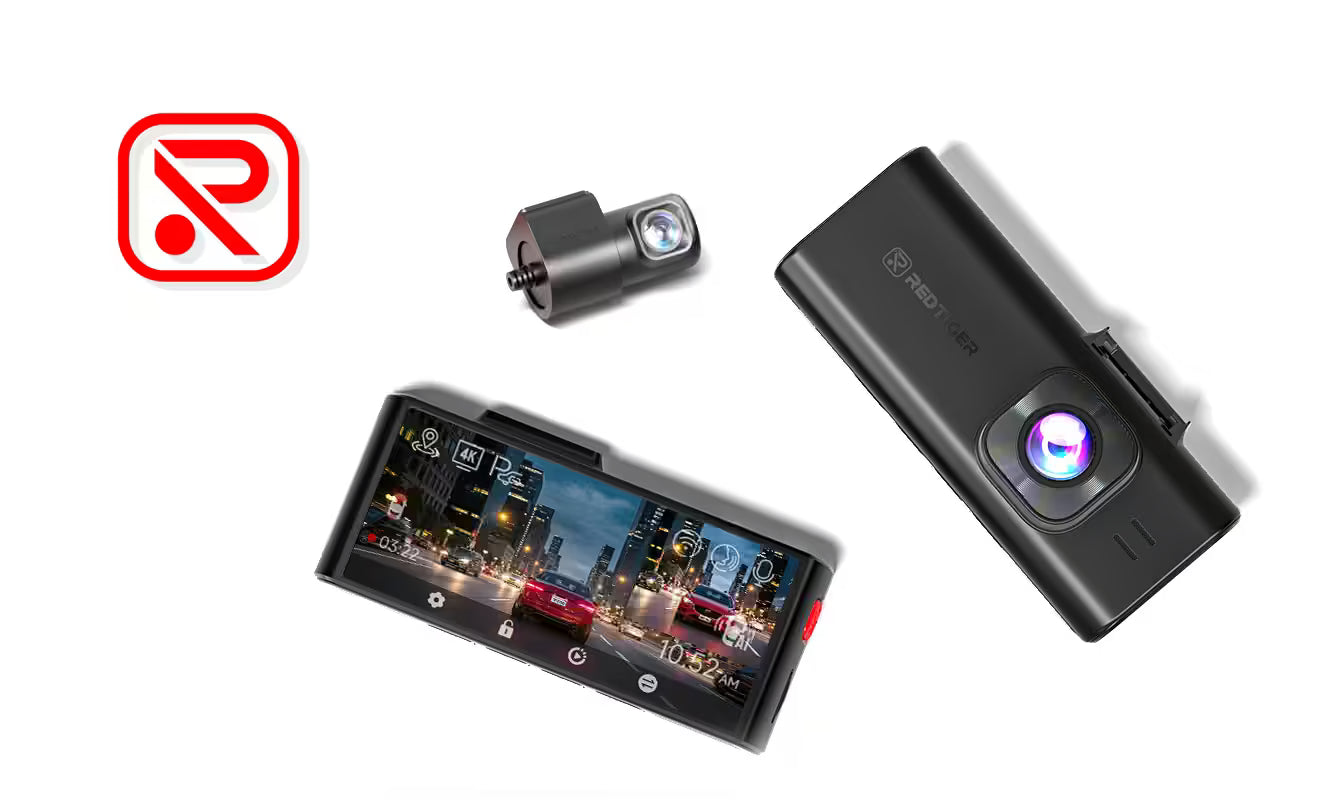
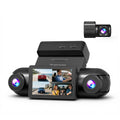
For taxi and rideshare drivers, a cabin-view camera (interior-facing) is essential. It provides evidence in passenger dispute or assault claims, situations where it is otherwise your word against theirs. Multi-channel systems covering front, rear, and cabin give professional drivers comprehensive evidence coverage from every angle.
The National Dash Cam Safety Portal (NDSP) is another practical tool worth knowing about. Over 135,000 dangerous driving clips have been submitted through the portal in the past five years, with 7 in 10 submissions resulting in further police action. For professional drivers who spend hours on the road and regularly encounter aggressive driving, it is a direct way to report incidents.
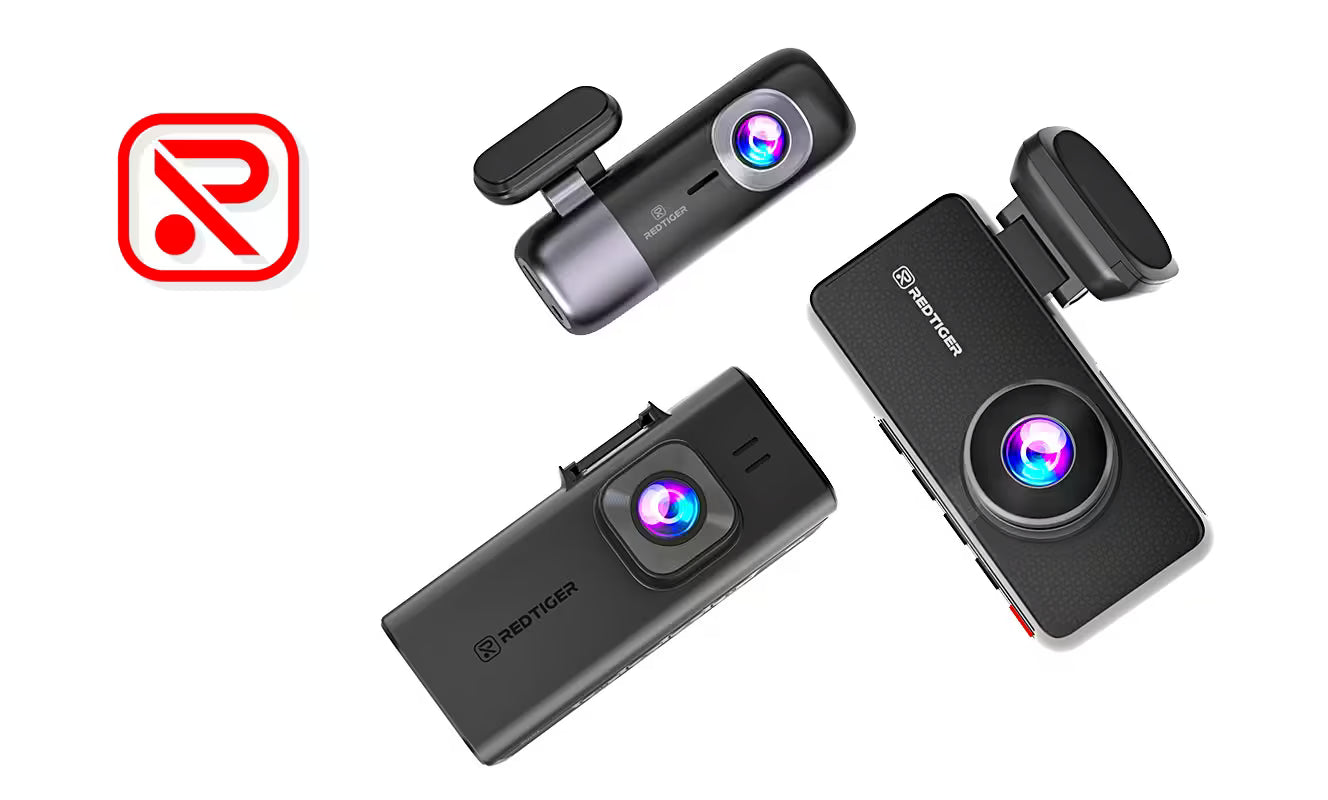
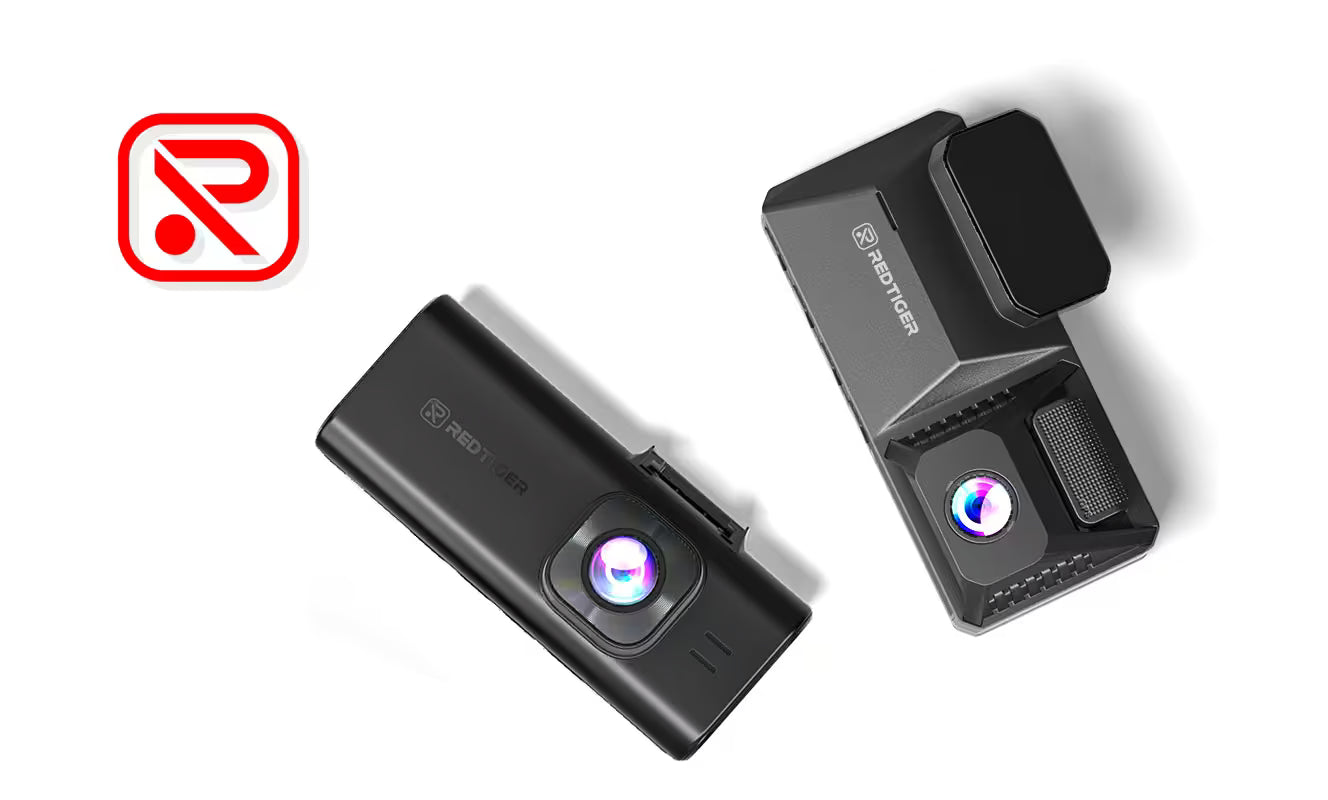
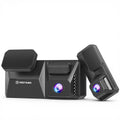
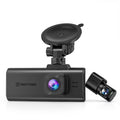
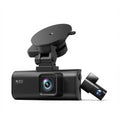
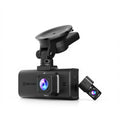
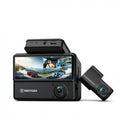
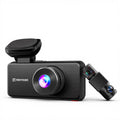
Redtiger's product range includes cabin-view and multi-channel options specifically built for professional driver needs, covering the evidence gaps that single-camera setups leave open.
How to Choose a Dash Cam That Actually Helps Your Insurance
For insurance purposes in 2026, here is the minimum spec worth considering:
- Resolution: 1080p at minimum, 4K preferred (especially as AI claims tools analyse footage quality)
- GPS: records speed and location data automatically
- Accurate timestamps: essential for evidence admissibility
- Dual-channel (front and rear): captures the roughly 25% of accidents that happen behind you
- Parking mode: records hit-and-run evidence even when your car is unattended
Before buying, check with your insurer. Some require devices from an approved list or specific installation standards to qualify for a discount.
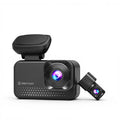
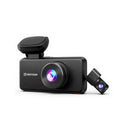
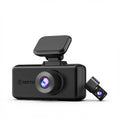
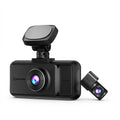
Redtiger is the Amazon UK #1 best-selling dash cam brand, trusted by over 1.7 million drivers across 74 countries. The range covers commuters, families, and professional drivers with 4K recording, GPS, and multi-channel options. The brand's innovation credentials include a CES 2026 award and recognition from TechRadar and Pocket-lint.
Every Redtiger purchase comes with a 2-year warranty (plus an extra 6 months for orders through the official site), a 30-day money-back guarantee, free shipping on orders over £25, and 24/7 customer support.
Verdict: Is a Dash Cam Worth It for UK Car Insurance in 2026?
A dash cam probably will not earn you a headline discount from your main insurer. But it can protect a No Claims Bonus worth £300 to £800 per year, and that protection is where the real value sits.
The maths is simple: a £150 camera protecting a £420-per-year NCB saving pays for itself in under five months. Add in the defence against crash-for-cash fraud (which adds £50 to £60 to every UK driver's annual premium), and the case becomes even stronger.
Over 70% of UK drivers know what a dash cam is, but fewer than 25% actually own one. The barrier is not cost; it is awareness. Now you have the full picture.
Your next steps: check with your insurer about accepted devices, choose a camera with 4K resolution, GPS, and dual-channel capability, and start driving with evidence on your side. Ready to find the right camera? Explore the Redtiger range and see why 1.7 million drivers already trust us on the road.

Leave a comment
This site is protected by hCaptcha and the hCaptcha Privacy Policy and Terms of Service apply.