




















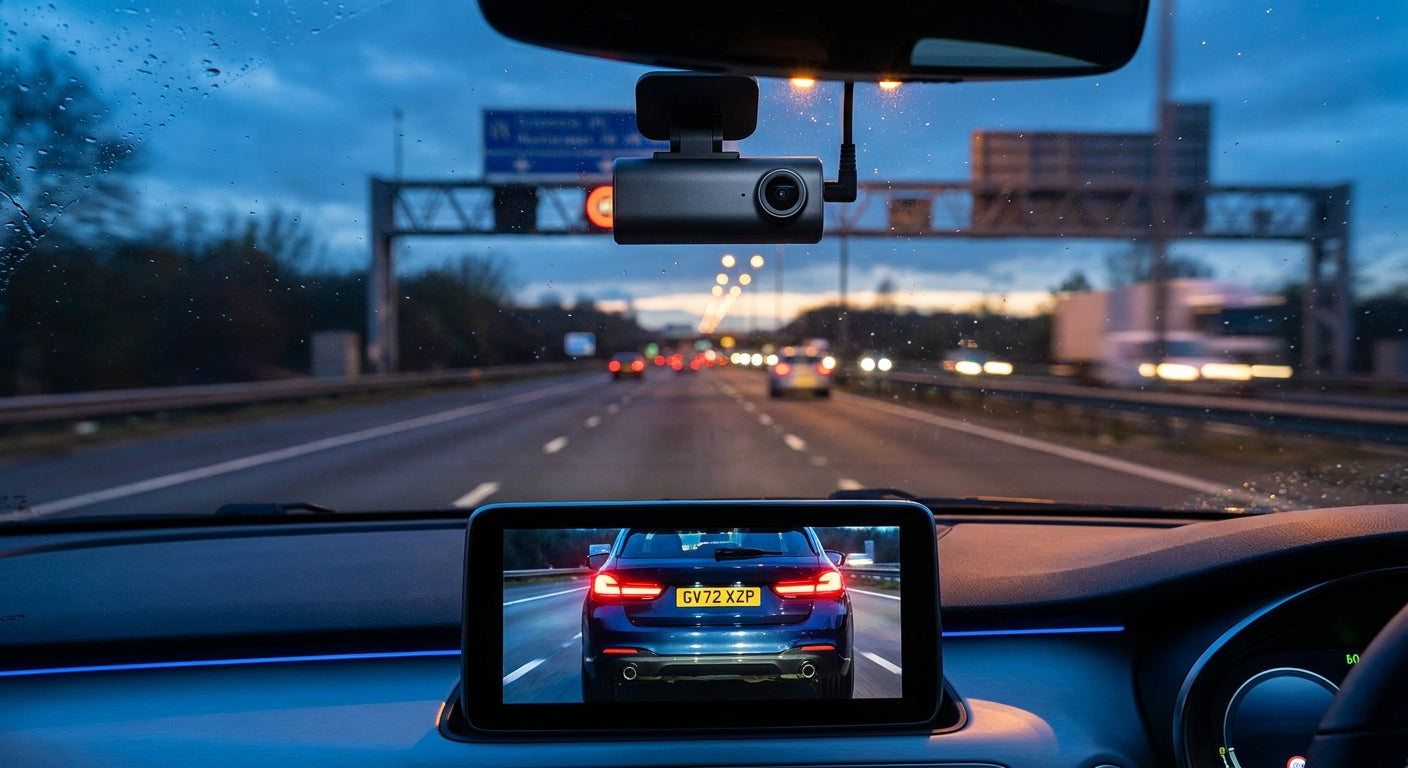
Your Dash Cam Recorded the Crash — But Can It Read the Plate?
Millions of UK drivers have a dash cam mounted to their windscreen right now. Most assume it will protect them if something goes wrong. But here is the uncomfortable truth: a large number of those cameras cannot capture a legible number plate in real-world driving conditions.
That matters more than you might think. In 2024 alone, UK insurers detected £576 million in fraudulent motor insurance claims. With 45% of UK road accidents involving rear-end shunts, the ability to read the plate of the vehicle that hit you is often the single deciding factor in a liability dispute.
This article explains, in plain terms, exactly why 4K resolution changes the outcome of insurance claims. It also covers a problem most buyers never encounter in reviews: cameras marketed as 4K that fail when it counts.
The Pixel Maths: Why 4K Captures What 1080p Misses
A 4K dash cam records at 3840×2160 pixels, producing 8.29 megapixels per frame. A 1080p camera captures just 2.07 megapixels. That is four times the pixel count, and the difference is not subtle.
In practical terms, a 4K dash cam can read number plates at 70 to 90 feet in good daylight. A 1080p camera manages roughly 40 feet. On a busy dual carriageway or motorway slip road, that gap is the difference between a clear plate and a smudge of grey pixels.
Standard 1080p cameras frequently fail to capture legible digits at speeds above 30mph on UK roads. The faster you are moving, the fewer frames capture the plate at a readable angle, and each frame needs enough detail to hold up under scrutiny.
The concept that matters here is pixels-per-plate: how many pixels a UK number plate actually occupies within the frame. If the plate takes up only a small portion of a low-resolution image, the individual characters become indistinguishable once you zoom in. The UK's standard Charles Wright font on reflective plates is particularly vulnerable to compression artefacts at lower resolutions, with characters like 8, B, and D blurring into each other.
This connects directly to claim outcomes. Grainy, pixelated footage is the primary reason UK insurers reject disputed liability evidence. If the plate cannot be confirmed, the footage is treated as inconclusive.
Resolution Alone Isn't Enough: The Bitrate Problem Most Buyers Miss
Resolution tells you the maximum detail a camera could capture. Bitrate, measured in megabits per second (Mbps), determines how much of that detail is actually preserved when the video is saved to your memory card.
Think of it this way: resolution sets the ceiling, but bitrate determines what you actually get. A 4K camera recording at only 20 to 30 Mbps can produce worse plate readability than a 2K camera recording at 40 Mbps. Aggressive compression smears fine detail, and number plate characters are exactly the kind of fine detail that gets lost first.
Then there is the fake 4K problem. Budget cameras flooding the UK market use software interpolation to upscale a 1080p image to 4K dimensions. The pixel count looks right on the spec sheet, but the actual detail is no better than 1080p. Worse, the interpolation process can introduce digital artefacts that make plates harder to read than genuine 2K footage would be.
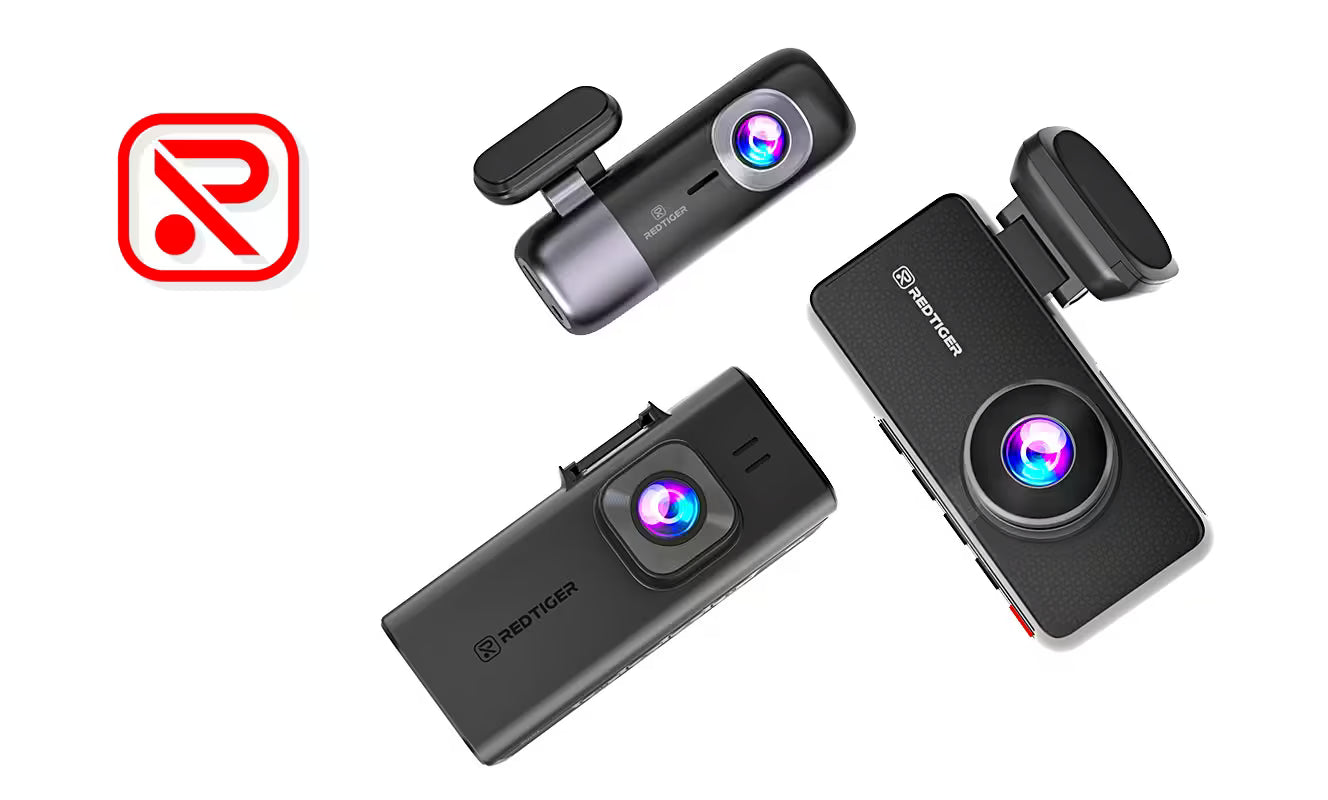
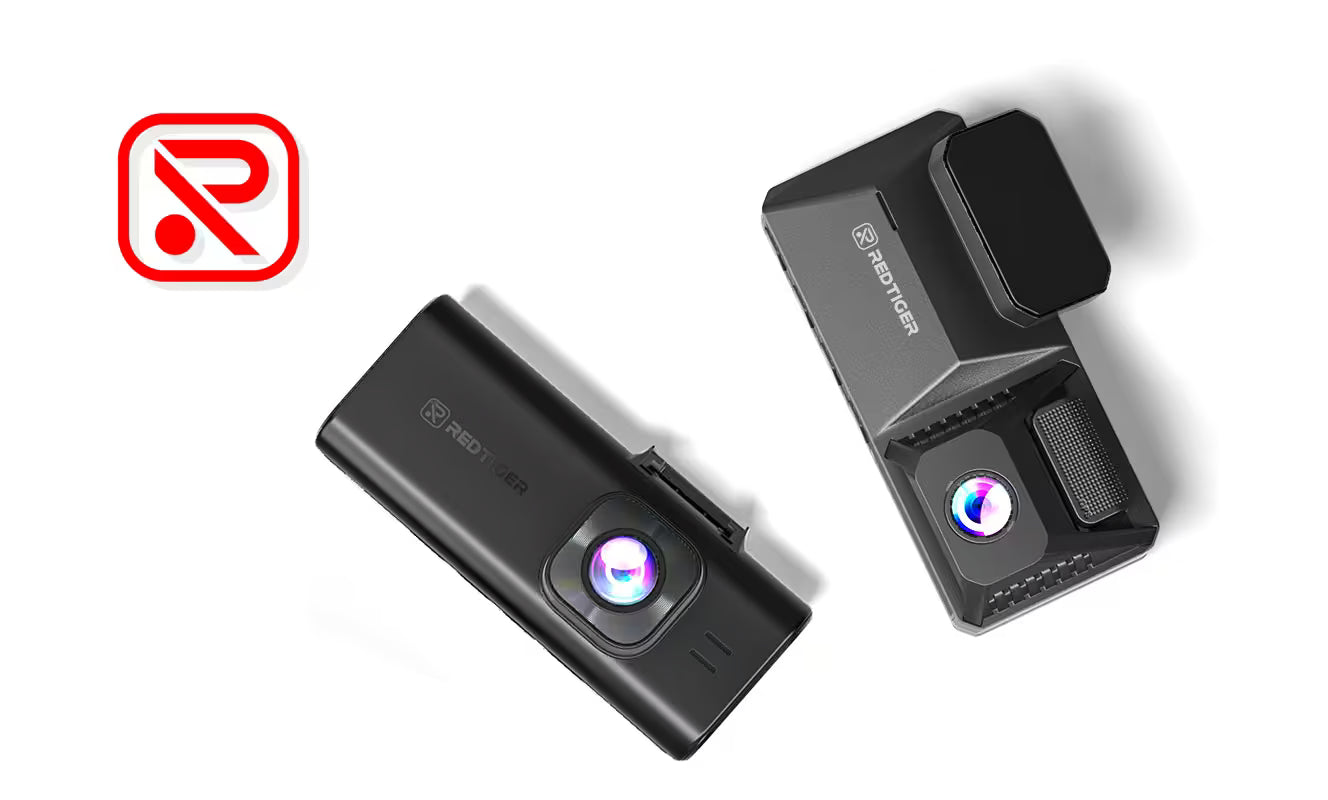
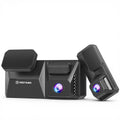
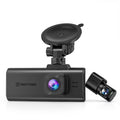
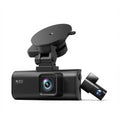
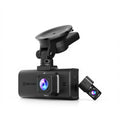
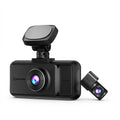
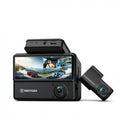
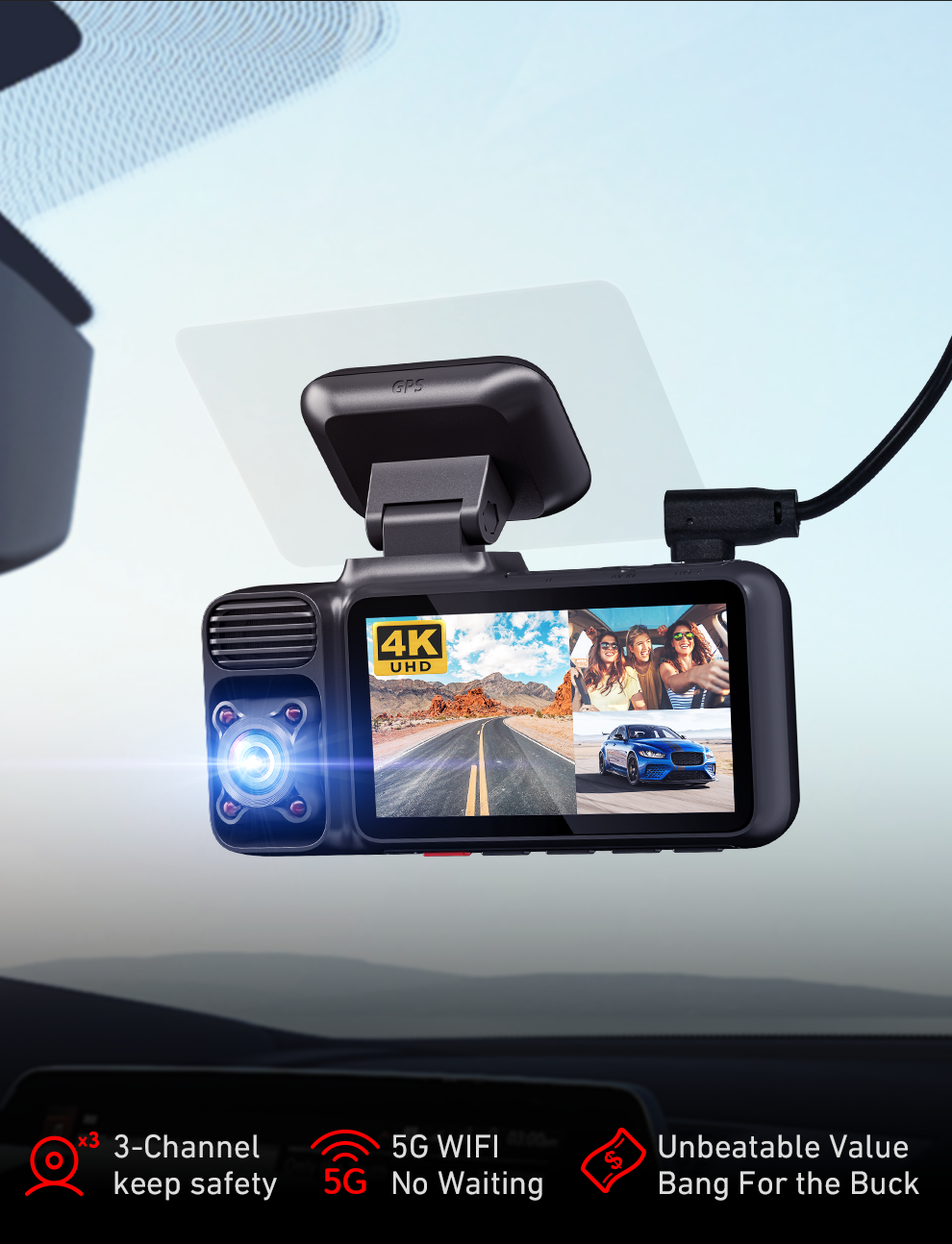
What should you look for? A native 4K sensor (not interpolated) and a recording bitrate of 40 Mbps or higher. Redtiger's 4K models use a Sony STARVIS 2 sensor that captures true 4K natively, paired with bitrates designed for real-world evidence quality. This is an underreported consumer protection issue; most competitor reviews discuss only pixel count and ignore bitrate entirely.
UK Weather Makes Sensor Quality as Critical as Resolution
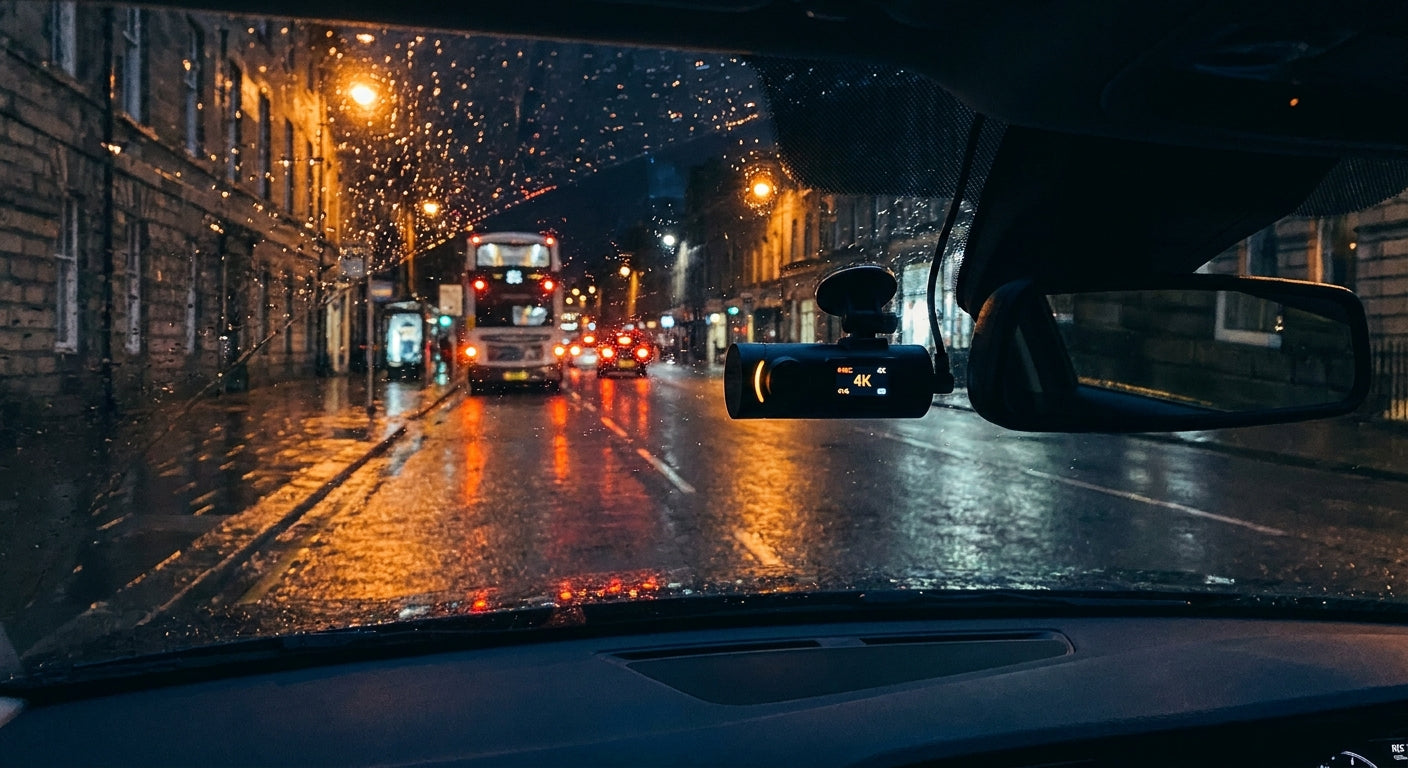
The UK sees over 150 days of rain and grey skies per year. Cheap sensors respond to low light by increasing gain, which introduces graininess. That grain causes letter edges on number plates to bleed together, turning a readable plate into an illegible one.
HDR (High Dynamic Range) technology is equally important. Without it, number plates get washed out by direct sunlight reflecting off a rear bumper, or bleached by oncoming headlights at night. HDR balances the exposure across the frame so the plate remains readable even when lighting conditions are extreme.
Night-time capture is where the gap becomes stark. A 4K camera with a STARVIS 2 sensor can read plates at 25 to 30 feet or more in the dark. A standard 1080p STARVIS camera manages only 5 to 15 feet. For anyone driving after sunset (which, during a British winter, means most commuters) that difference is enormous.
One detail worth noting: wide field-of-view lenses (140° or more) spread pixels across a broader area, reducing effective plate resolution. A 120° lens at 4K may actually capture plates more clearly than a 140° lens at the same resolution. Redtiger's Sony STARVIS 2 sensor and HDR capability are built with British conditions in mind, balancing field of view, light sensitivity, and resolution for the roads UK drivers actually use.
The Financial Case: What Poor Footage Actually Costs You
The average accidental damage claim in the UK reached £3,699 in Q1 2026, up 8% on the previous quarter. ABI members paid out £2.9 billion in motor claims during the same period. These are not abstract numbers; they represent the real cost when a claim goes against you.
A single fault claim can wipe out 5 to 10 years of No Claims Bonus, costing thousands of pounds in lost discounts over subsequent renewals. One insurer case study illustrates the stakes clearly: a disputed overtaking incident would have been settled as a 50/50 liability split without footage. Dash cam evidence secured a 100% non-fault outcome for the driver. The difference between those two results could easily exceed £5,000 over time.
Motor fraud adds an estimated £50 to £60 to every honest UK driver's annual premium. Crash-for-cash scams specifically target drivers who appear unlikely to have clear evidence. A camera that cannot read a plate is, for all practical purposes, no camera at all.
On the other side of the equation, some UK insurers already reward dash cam users. Adrian Flux offers up to 15% off premiums for drivers with in-car cameras, making a quality unit financially self-funding within a year or two.
In 2025, UK insurers reported a 12% rise in rejected claims where dash cam footage was unavailable or too poor to use. Resolution is now directly tied to claim success rates. A genuine 4K dash cam costs under £150. Set that against a £3,699 average claim or years of lost NCB, and the calculation is straightforward.
Operation Snap and the Rising Evidentiary Bar for UK Footage
Operation Snap, the National Dash Cam Safety Portal, has received over 135,000 dangerous driving clips from the public. Around 70% of those submissions have led to enforcement action by police. Dash cam footage is no longer a novelty; it is a mainstream tool for road safety enforcement.
All major UK insurers surveyed confirm they accept dash cam footage as evidence in claims. Meanwhile, ride-hailing and taxi platforms in London, Manchester, and Birmingham are increasingly mandating dash cams as licensing conditions. Professional drivers, who face higher fraud targeting, have particular reason to invest in footage quality.
As police forces and insurers become more reliant on video evidence, the quality bar rises with them. Blurry or heavily compressed footage that cannot confirm a number plate is increasingly treated as no footage at all. A camera that met the standard three years ago may not meet it now.
One practical note: high-resolution footage captures identifiable faces and plates, so drivers should be aware of their GDPR responsibilities around storage and sharing. The core message, however, is clear. 4K is not future-proofing for some distant standard; it is meeting the standard that is already here.
Choosing a Genuine 4K Dash Cam: What UK Drivers Should Check
Before you buy, run through this checklist:
- Native 4K sensor (not interpolated or upscaled)
- Recording bitrate of 40 Mbps or higher
- HDR capability for handling sun glare and headlights
- Sony STARVIS 2 or equivalent sensor generation for low-light performance
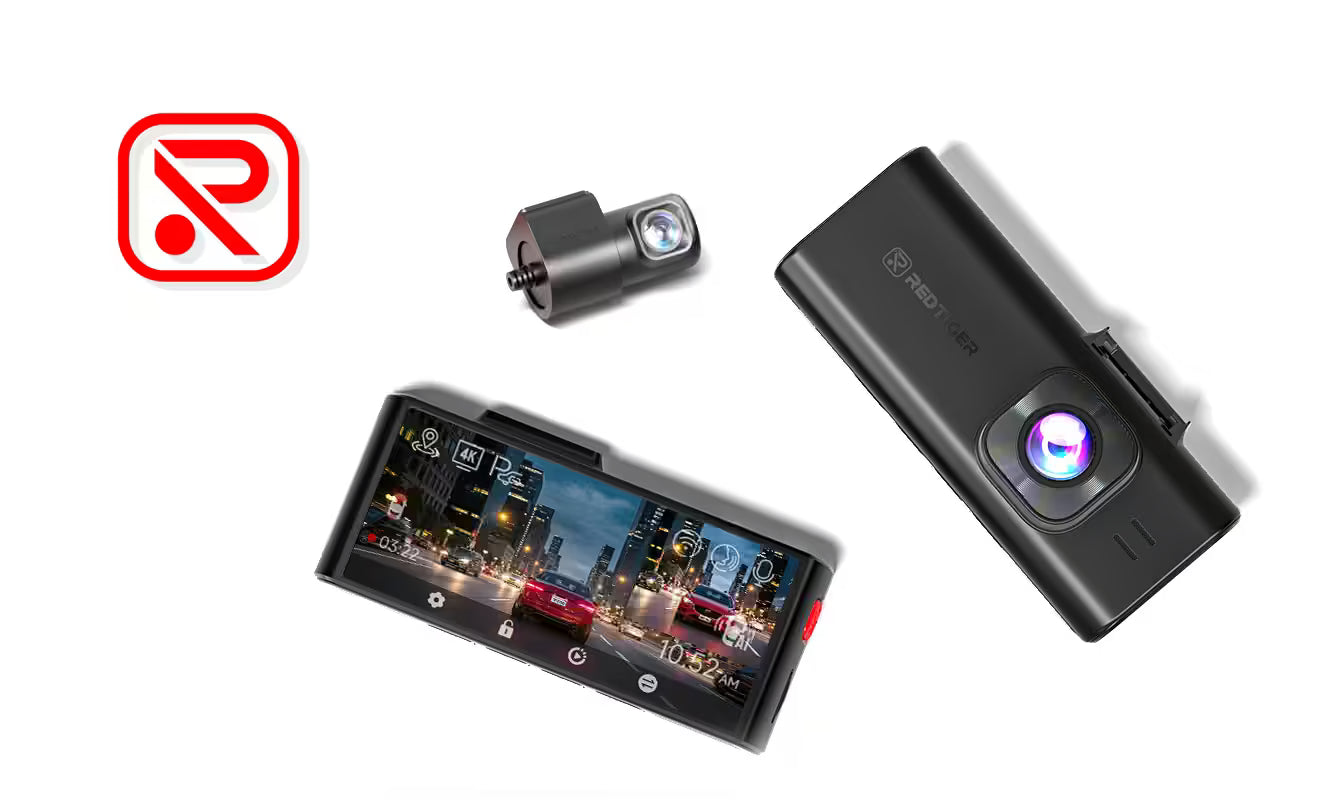
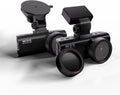
Do not overlook the rear camera. With 45% of UK accidents being rear-end collisions, rear camera resolution matters just as much as front. Look for 2K or 4K rear channels to ensure the plate of the vehicle behind you is captured clearly.
Parking mode is another area where 4K proves its worth. Hit-and-run incidents in car parks often involve vehicles moving slowly at awkward angles. A higher-resolution sensor captures plates that a 1080p camera would miss entirely.
Redtiger is the number-one best-selling dash cam brand on Amazon UK, trusted by over 1.7 million drivers and independently reviewed by TechRadar and Pocket-lint. Every Redtiger purchase includes a 2-year warranty, a 30-day money-back guarantee, and free shipping on orders over £25, giving you confidence alongside the protection.
The Bottom Line: Resolution Is Your First Line of Defence
4K is not a luxury upgrade. It is the minimum standard for dash cam footage that will hold up in a UK insurance claim or police submission.
Three things must work together: native 4K resolution, a bitrate of 40 Mbps or higher, and sensor quality that includes HDR and a STARVIS 2 class sensor. Remove any one of those, and your footage may fail you at the worst possible moment.
The financial stakes are clear: £3,699 average claim costs, £50 to £60 added to your premium every year by fraud, and the potential loss of a decade's worth of No Claims Bonus. All of it preventable with the right camera.
Check your current dash cam's specs. If it is recording in 1080p, or if you are not sure whether its 4K is genuine, it may be time for an upgrade. Explore Redtiger's 4K range and give yourself genuine protection on UK roads.

Leave a comment
This site is protected by hCaptcha and the hCaptcha Privacy Policy and Terms of Service apply.