













From sensor specifications to parking mode features, shopping for a dash cam involves a fair amount of technical vocabulary. This glossary explains the key terms you will encounter when browsing 4K smart dash cameras — written for UK drivers of all experience levels, from first-time buyers to fleet operators.
2-Channel Dash Cam
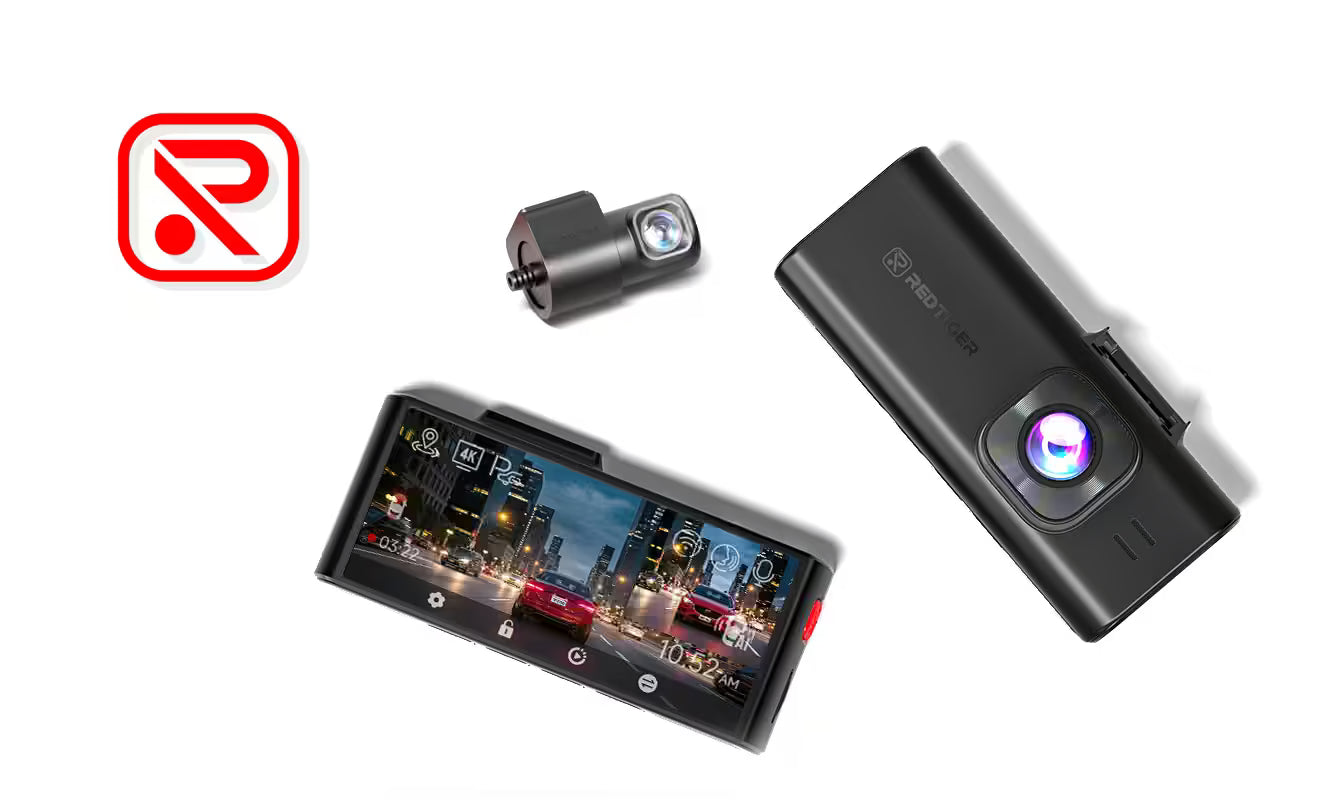
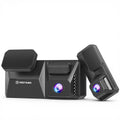
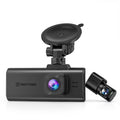
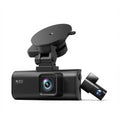
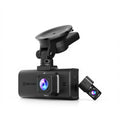
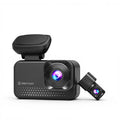
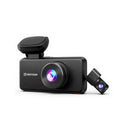
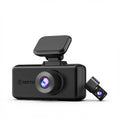
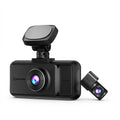
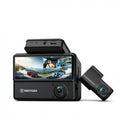
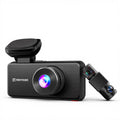
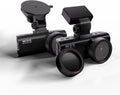
A dual-camera system that records from two separate viewpoints, typically front and rear. Each independent camera lens is referred to as a channel. This configuration allows you to capture both the road ahead and following traffic simultaneously, providing more complete evidence in the event of an incident.
3-Channel Dash Cam
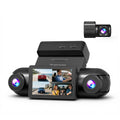
A three-camera system that typically covers the front, rear, and vehicle interior (or a side view). The additional channel is especially useful for taxi and rideshare drivers who need cabin footage, or for drivers who want maximum coverage around the vehicle.
4-Channel Dash Cam
A four-camera configuration covering the front, rear, and both sides of the vehicle. This represents the most comprehensive recording coverage available and is primarily used by commercial drivers and anyone who needs near-complete situational awareness recorded on video.

4K Ultra HD
A recording resolution of 3840 × 2160 pixels — four times the pixel count of standard 1920 × 1080 (1080p) Full HD. At 4K, dash cam footage captures fine details such as number plates, road signs, and vehicle markings with notably greater clarity. This is the highest resolution tier commonly available in consumer dash cameras.

Back-Illuminated Sensor (BSI)
A sensor architecture in which the light-gathering circuitry is positioned behind the photodiode layer, rather than in front of it as in traditional front-illuminated (FSI) sensors. This rearrangement allows more photons to reach each pixel without being blocked by wiring layers, significantly improving low-light sensitivity. Sony's STARVIS 2 sensors — including the IMX678 used in Redtiger dash cameras — rely on BSI architecture.
Buffered Parking Mode
A parking mode implementation that continuously writes a short rolling cache of footage to memory. When an impact or motion event triggers a recording, the saved clip includes several seconds of footage captured before the event. This pre-event buffer captures crucial context — such as the approach of another vehicle — that a standard parking mode (which starts recording only after the trigger) would miss entirely.

Cabin Camera
An interior-facing camera channel that monitors the inside of the vehicle. Cabin cameras are particularly important for taxi and rideshare drivers who need a record of passenger interactions, and for parents who wish to monitor rear-seat occupants. In multi-channel dash cameras, the cabin camera may include full-colour or infrared night vision for round-the-clock recording.
CPL Filter
A circular polarising lens filter that attaches to the front of a dash cam lens to reduce glare from the windscreen and minimise reflections from the dashboard. By selectively cutting scattered light, a CPL filter produces clearer, more contrast-rich footage — especially on bright days when dashboard reflections are most noticeable.
Dash Cam App
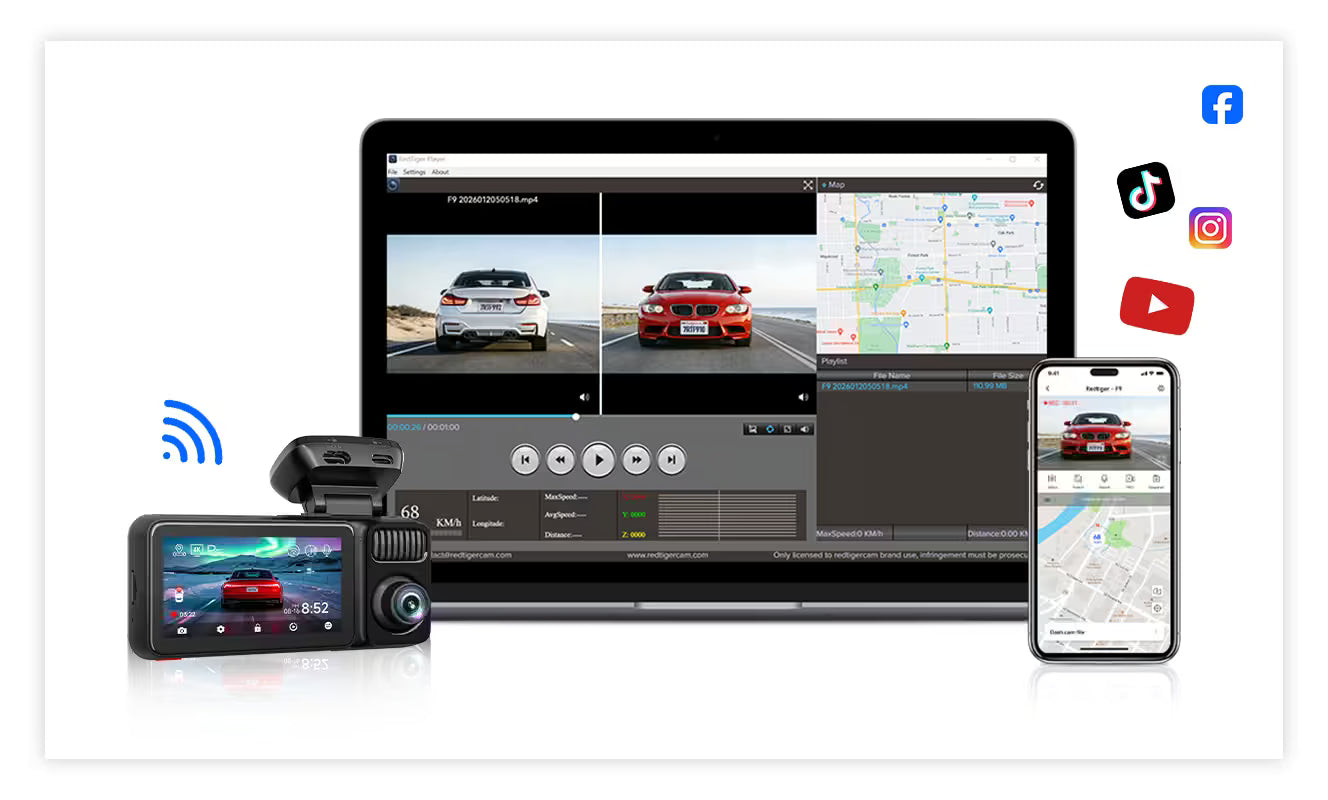
A companion smartphone application that connects to the dash cam over WiFi. Through the app you can view a live preview (helpful for positioning the camera during installation), download saved clips to your phone, and adjust camera settings without needing to reach the device while driving. This is the primary interface most drivers use for day-to-day interaction with their dash camera.
Field of View (FOV)
The angular measurement, expressed in degrees, of how much of the scene a camera lens captures. A wider FOV — typically 140° to 170° on dash cams — covers more of the road and surroundings, reducing blind spots at the edges of the frame. FOV is one of the primary specifications buyers compare when choosing between models.
Front-Only Dash Cam
A single-channel camera that records only the road ahead. This is the simplest and most affordable dash cam configuration, suitable for drivers who want basic evidence protection without the complexity of installing additional cameras. Many drivers start with a front-only unit and add rear cameras later.
Full-Colour Night Vision
A low-light recording mode that produces colour footage rather than the monochrome (black-and-white) images typical of standard infrared night vision. Colour night vision preserves identifying details such as vehicle paint colours, clothing, and bodywork, which can be critical for identification. This is typically achieved using large-aperture lenses and highly sensitive image sensors, rather than relying on infrared LEDs.
G-Sensor
A built-in accelerometer that detects sudden changes in the vehicle's motion — such as a collision, hard braking, or a sharp impact while parked. When triggered, the G-sensor automatically locks the current video clip so it cannot be overwritten by normal loop recording. Sensitivity levels are typically adjustable, allowing drivers to reduce false triggers from speed bumps, potholes, or rough roads.
GPS Logging
A feature that records the vehicle's speed and geographic coordinates (latitude and longitude) alongside the video footage. GPS data can be overlaid on the video or played back on a map to show the exact route and speed at any given moment. This information serves as valuable corroborating evidence for insurance claims and dispute resolution.
H.265 (HEVC) Codec
A video compression standard — High Efficiency Video Coding — that reduces file sizes by roughly 30–50% compared to the older H.264 (AVC) codec at the same visual quality level. For 4K dash cameras, H.265 encoding means you can store significantly more footage on the same memory card, or maintain higher bit rates (and therefore better quality) within the same storage budget. It is an increasingly common specification in modern dash cameras.
Hardwire Kit
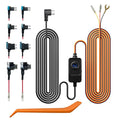
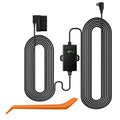
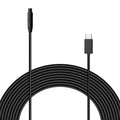
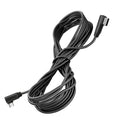
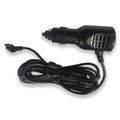
An accessory cable that connects a dash camera directly to the vehicle's fuse box, bypassing the 12 V cigarette lighter socket. A hardwire kit provides a tidier, permanently installed power connection and — critically — supplies continuous power when the ignition is off, enabling 24/7 parking mode recording. Most hardwire kits also include a built-in voltage cutoff to protect the car battery from being drained.
HDR (High Dynamic Range)
An imaging technique that expands the range of brightness levels a camera can capture within a single frame. In dash cam footage, HDR helps reveal number plates in direct sunlight while retaining detail in shadowed areas such as tunnel entrances or tree-lined roads. It is implemented through multi-exposure capture (combining short and long exposures) or through staggered readout on advanced sensors like Sony STARVIS 2.
IMX678
A specific 8-megapixel (effective) CMOS image sensor from Sony, based on the STARVIS 2 back-illuminated architecture and designed for high-resolution, low-light video applications. In dash cameras, the IMX678 is the sensor that sits behind the front lens, converting light into the electrical signals that become your recorded footage — its quality is a primary determinant of overall image quality, especially in low light.
Loop Recording
A continuous recording mode in which the dash camera writes footage in short segments — typically one, three, or five minutes each — and automatically overwrites the oldest unlocked segment when the memory card reaches capacity. This ensures the camera never stops recording due to lack of available storage. Clips that have been manually locked or automatically protected by the G-sensor are excluded from overwrite.
MicroSD Card (High-Endurance)
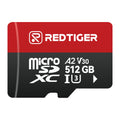
The removable flash storage used in virtually all dash cameras. High-endurance microSD cards are specifically engineered for continuous recording workloads: they use higher-grade NAND flash that tolerates the constant read/write cycles of loop recording, along with thermal management for the extreme temperature range inside a parked car. Standard microSD cards — designed for intermittent use in phones or cameras — may fail prematurely under the sustained write load of dash cam operation.
Night Vision
The general capability of a dash camera to capture usable footage in low-light or dark conditions. Night vision performance is determined by the combination of the image sensor (its pixel size and sensitivity), the lens aperture (wider apertures let in more light), and the image processing pipeline. Dash cameras equipped with Sony STARVIS 2 sensors perform well in low light because of the back-illuminated architecture that maximises photon capture at the pixel level.
Parking Mode
A surveillance feature that keeps the dash camera monitoring the surroundings while the vehicle is parked with the ignition off. Recording is typically triggered by motion detection within the camera's field of view or by the G-sensor detecting an impact — conserving both storage space and power between events. Parking mode requires a continuous power source, provided either by a hardwire kit (wired to the vehicle fuse box) or by the camera's internal battery where available.

Rear Camera
The secondary camera channel that faces rearward to capture following traffic and events behind the vehicle. It is included in all 2-channel and higher dash cam configurations. Rear cameras are essential for documenting rear-end collisions — the most common type of multi-vehicle accident — and for recording activity around the back of the car while parked.
Sony STARVIS 2
Sony's second-generation back-illuminated CMOS sensor architecture, purpose-built for security and automotive camera applications. STARVIS 2 sensors deliver significantly improved low-light sensitivity and colour accuracy compared to the original STARVIS generation, thanks to a refined photodiode structure that increases near-infrared sensitivity. In the dash cam market, the presence of a STARVIS 2 sensor — such as the IMX678 — is widely regarded as a reliable indicator of strong all-round image quality.
Supercapacitor
An energy storage component used in some dash cameras in place of a conventional lithium-ion battery. A supercapacitor charges and discharges much faster than a battery and provides a brief burst of backup power — typically enough for 2–5 seconds of operation — sufficient to save the currently recording file safely when the vehicle is switched off. More importantly, supercapacitors tolerate extreme heat far better than lithium-ion batteries, making them the preferred choice for vehicles that are parked in direct sunlight, especially during UK summer months.
Voltage Cutoff
A safety feature built into hardwire kits that automatically disconnects the dash camera when the vehicle's battery voltage drops below a preset threshold — typically user-selectable between approximately 11.8 V and 12.4 V for a standard 12 V lead-acid battery. This prevents the dash cam's parking mode from draining the starter battery to a level where the engine cannot crank. Most hardwire kits offer multiple cutoff levels so the driver can balance parking mode runtime against reliable cold-weather starting.
Voice Control
A hands-free feature that allows the driver to operate the dash camera using spoken commands — such as starting or stopping a manual recording, taking a still photo, or locking the current clip. Voice control enables operation without taking hands off the wheel or eyes off the road, which is particularly valuable while driving. Recognition accuracy depends on the microphone placement and the specific voice command engine used by the camera.
WiFi 6 (802.11ax)
The sixth-generation WiFi standard (IEEE 802.11ax), offering higher data throughput and better efficiency than previous generations. In dash cameras that support it, WiFi 6 enables faster transfer of large 4K video files to a smartphone app — significantly reducing the time spent waiting for clips to download. While WiFi 6 can operate on both the 2.4 GHz and 5 GHz bands, the 5 GHz band delivers the higher speeds needed for efficient 4K file transfers.

Leave a comment
This site is protected by hCaptcha and the hCaptcha Privacy Policy and Terms of Service apply.